Technical In-Person Seminar
MIDAS Technical Seminar 2026
in British Columbia
Project Insights & New Features with midas Civil NX in Canada
- Date
- Thursday, Oct 22, 2026
- Time
- 13:00 – 16:30 PDT
- Venue
- Vancouver Marriott Pinnacle Downtown
- Credits
- 2 PDH
Extend Your Knowledge from Expert Engineers
with Their Practical Projects
MIDAS is creating a space for engineers to share their expertise and experience with one another. Moving beyond the usual product presentations, we are inviting practicing engineers to speak from their own perspective on how they approach bridge analysis, how they handle dynamic behaviour on real projects, and what they take into account along the way to help you expand your own practice.
If you are interested in bridge design, or want to see what is happening on current transit and highway projects and in the areas you hope to grow into, this seminar can be your first step.
- Who it's for
- Bridge design engineers in British Columbia working on transit and highway structures where dynamic response and advanced analysis matter
- Topics covered
-
- Vibration Analysis of Light Rail Transit Bridges Using MIDAS Civil: A Case Study of Two Bridges for the Edmonton Valley Line West Project Mohammad Saifuzzaman, Parsons (introduced by Matthias Schueller, Parsons)
- API, Python, and Iterative Response Spectrum Analysis in Civil NX Mahesh Surla, MIDAS
Meet Your Speakers
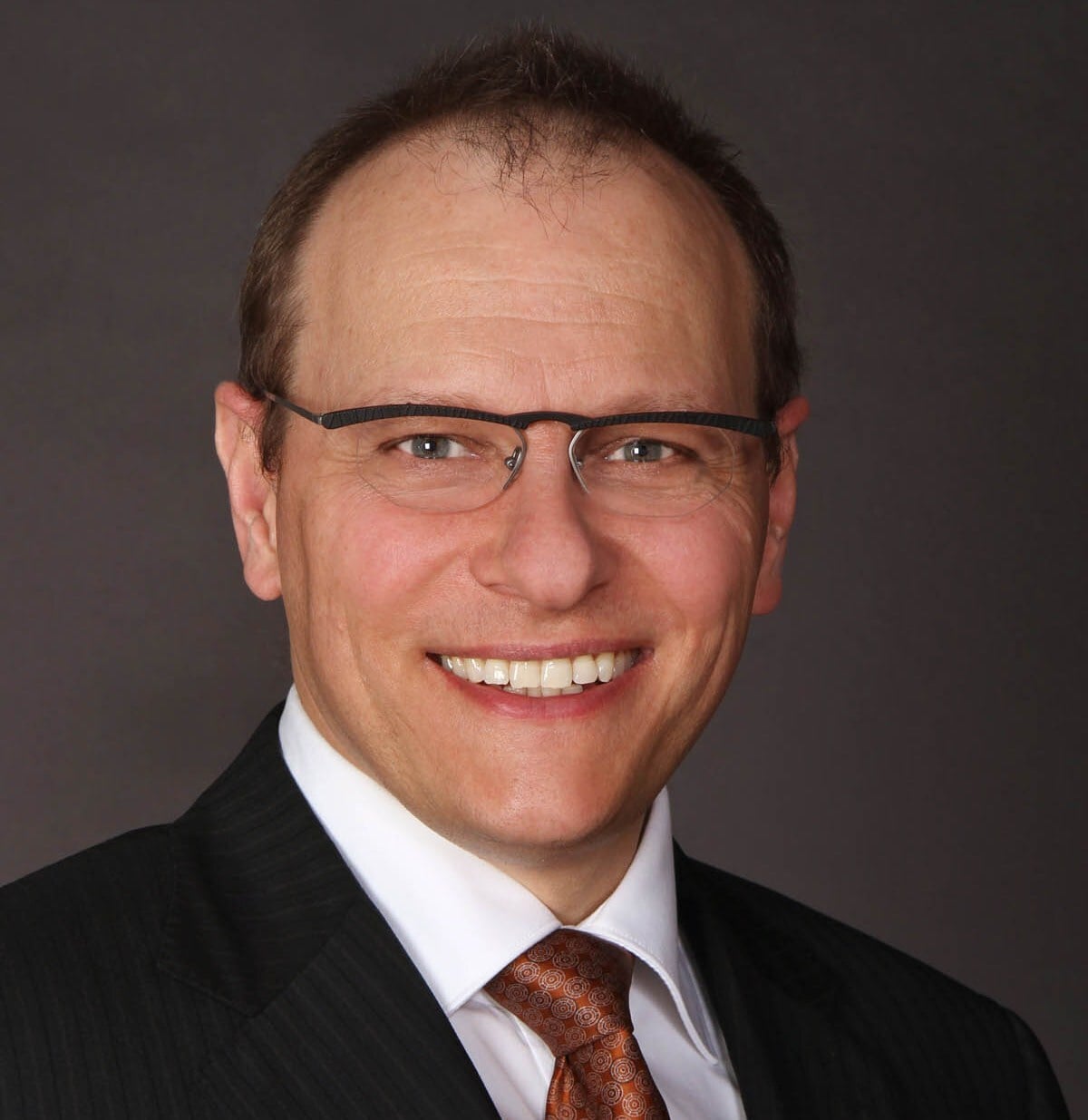
Matthias Schueller, Ph.D., P.Eng.
Bridge Engineer and Manager, Structural Team, Western Canada
Matthias is a bridge engineer and manager with the Parsons Structural Team in Western Canada. He has served as Technical Leader and Advisor on many high-profile bridge projects in North America and beyond. His design solutions for cable-supported and integral bridges have been recognized with international awards including the German Bridge Prize, the Gustav Lindenthal Medal, and the ENR World Best Bridge Project. Matthias is an IABSE Fellow and has published many papers on bridge design and structural engineering.
Introduction to the Parsons Session
Matthias will open the Parsons session with a short introduction to the Edmonton Valley Line West work before handing over to Mohammad.
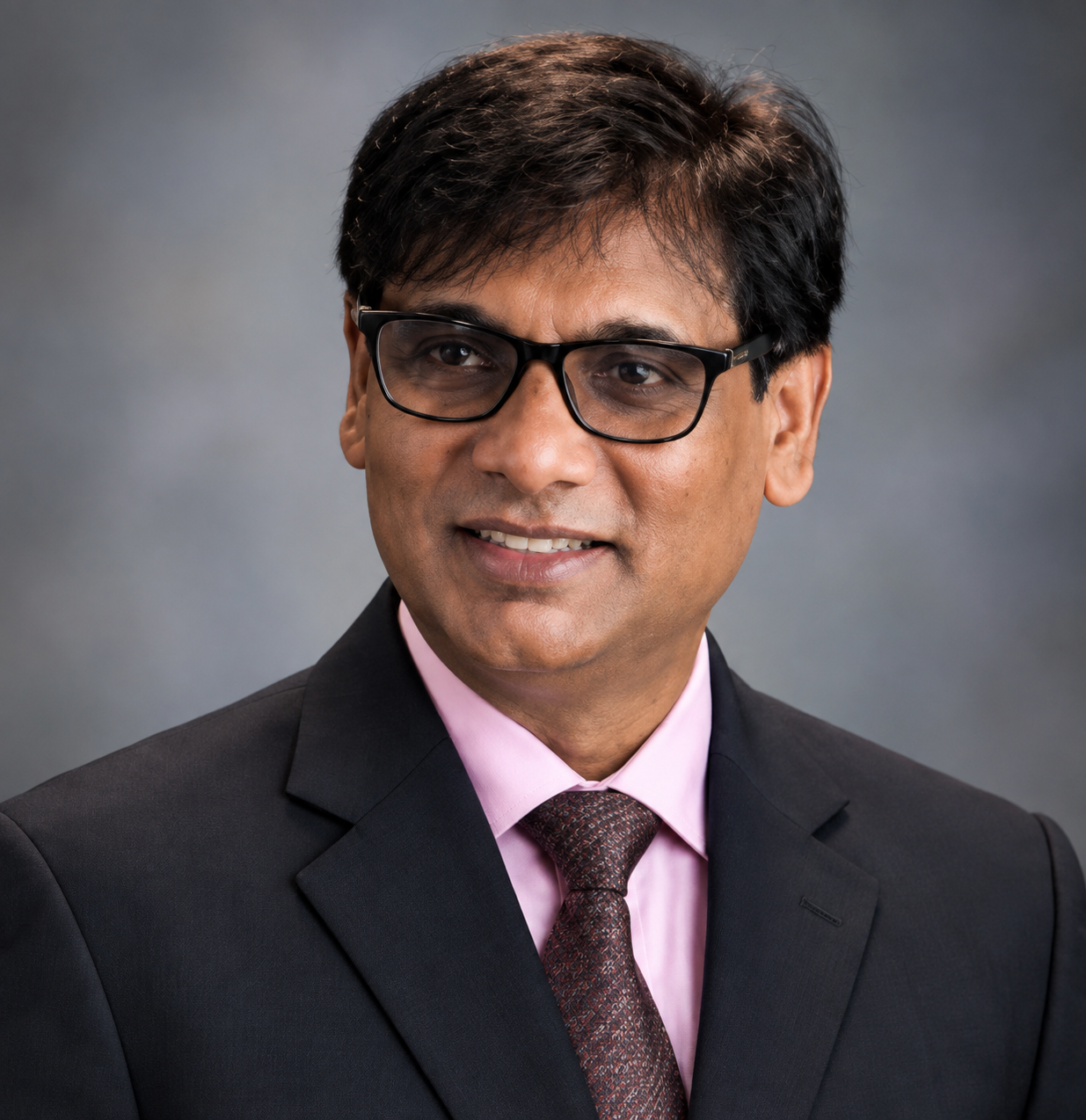
Mohammad Saifuzzaman, Ph.D.
Technical Director
Mohammad is a Technical Director in the Parsons Bridge Division, based in the Burnaby office. He holds a master's degree from McGill University and a Ph.D. from the University of British Columbia. He has more than 25 years of experience in the design and construction of complex bridges across Canada and the United States, has authored numerous technical papers on bridge design and structural analysis, and regularly reviews papers for peer-reviewed publications.
Vibration Analysis of Light Rail Transit Bridges Using MIDAS Civil: A Case Study of Two Bridges for the Edmonton Valley Line West Project
On elevated LRT guideways, ride quality depends on how the structure responds. Mohammad will walk through a practical train-track-bridge-soil interaction (TTBSI) model built in midas Civil and how it was applied to two key bridges on Edmonton's Valley Line West: the Stony Plain Road Bridge and the Anthony Henday Drive Bridge. You'll see how vertical accelerations in the vehicles and on the bridge deck are predicted and checked against Eurocode passenger-comfort criteria, and how to bring vibration analysis into your own LRT bridge design work.
-1.jpg)
Mahesh Surla
Technical Manager
Mahesh works at the MIDAS R&D Centre in India and holds a Master's degree in Structural Dynamics from IIT Roorkee. He specializes in bridge design and analysis, earthquake-resistant design, and finite element modelling, and has been involved in the design and review of numerous bridge projects. He has led workshops and training sessions for engineers around the world and works regularly with Indian, American, and Australian design codes.
API, Python, and Iterative Response Spectrum Analysis in Civil NX
A practical look at running midas Civil NX through its API and Python, with worked examples you can apply to your own projects. Mahesh will also go through what's new in the latest updates, including CSA S6:25. Response spectrum analysis can't run with nonlinear springs. So you run it, read the displacements, update every spring by hand, and run it again. That takes several rounds to converge one case, repeated for every load case. Civil NX now runs that loop for you. You set a tolerance, click run, and it recalculates secant stiffness from the p-y curve until the change falls inside it. In this hour we build p-y springs from borelogs, run the iterative response spectrum analysis live, and check the converged stiffness against a hand iteration, step for step.
Afternoon at a Glance
Reception & set-up
Opening with MIDAS
Introduction to the Parsons session
Matthias Schueller, Parsons
Vibration Analysis of Light Rail Transit Bridges Using MIDAS Civil: A Case Study of Two Bridges for the Edmonton Valley Line West Project
Mohammad Saifuzzaman, Parsons
Coffee break
API, Python, and Iterative Response Spectrum Analysis in Civil NX
Mahesh Surla, MIDAS
Open discussion & industry trends
What’s coming in midas Civil NX
MIDAS
Vancouver Marriott Pinnacle Downtown
Address
Vancouver, BC V6E 4R5
Access instructions will be shared with registered attendees ahead of the event.
- Date
- Thursday, 22 October 2026
- Time
- 13:00 – 16:30 PDT
- Room
- Point Grey
Reserve Your Seat
Join us in Vancouver for an afternoon of project insights and new features in midas Civil NX.
See you in Vancouver in --days--hours--min
