
Would you like to sign out?

Select Country

  • Afghanistan English
  • Albania English
  • Algeria English
  • American Samoa English
  • Andorra English
  • Angola English
  • Anguilla English
  • Antarctica English
  • Antigua and Barbuda English
  • Argentina Español
  • Armenia English
  • Aruba English
  • Australia English
  • Austria English
  • Azerbaijan English
  • Bahamas English
  • Bahrain English
  • Bangladesh English
  • Barbados English
  • Belarus English
  • Belgium English
  • Belize English
  • Benin English
  • Bermuda English
  • Bhutan English
  • Bolivia Español
  • Bosnia and Herzegovina English
  • Botswana English
  • Bouvet Island English
  • Brazil Español
  • British Indian Ocean Territory English
  • British Virgin Islands English
  • Brunei English
  • Bulgaria English
  • Burkina Faso English
  • Burundi English
  • Cambodia English
  • Cameroon English
  • Canada English
  • Cape Verde English
  • Caribbean Netherlands English
  • Cayman Islands English
  • Central African Republic English
  • Chad English
  • Chile Español
  • Christmas Island English
  • Cocos (Keeling) Islands English
  • Colombia Español
  • Comoros English
  • Congo English
  • Cook Islands English
  • Costa Rica Español
  • Côte d’Ivoire English
  • Croatia English
  • Cuba Español
  • Curaçao English
  • Cyprus English
  • Czech Republic English
  • Democratic Republic of the Congo English
  • Denmark English
  • Djibouti English
  • Dominica English
  • Dominican Republic Español
  • Ecuador Español
  • Egypt English
  • El Salvador Español
  • Equatorial Guinea English
  • Eritrea English
  • Estonia English
  • Ethiopia English
  • Falkland Islands English
  • Faroe Islands English
  • Fiji English
  • Finland English
  • France English
  • French Guiana Español
  • French Polynesia English
  • French Southern Territories English
  • Gabon English
  • Gambia English
  • Georgia English
  • Germany English
  • Ghana English
  • Gibraltar English
  • Greece English
  • Greenland English
  • Grenada English
  • Guadeloupe Español
  • Guam English
  • Guatemala Español
  • Guernsey English
  • Guinea English
  • Guinea-Bissau English
  • Guyana English
  • Haiti Español
  • Heard Island and McDonald Islands English
  • Honduras Español
  • Hong Kong English
  • Hungary English
  • Iceland English
  • India English
  • Indonesia English
  • Iran English
  • Iraq English
  • Ireland English
  • Isle of Man English
  • Israel English
  • Italy English
  • Jamaica English
  • Japan 日本語
  • Jersey English
  • Jordan English
  • Kazakhstan English
  • Kenya English
  • Kiribati English
  • South Korea 한국어
  • Kuwait English
  • Kyrgyzstan English
  • Laos English
  • Latvia English
  • Lebanon English
  • Lesotho English
  • Liberia English
  • Libya English
  • Liechtenstein English
  • Lithuania English
  • Luxembourg English
  • Macau English
  • Madagascar English
  • Malawi English
  • Malaysia English
  • Maldives English
  • Mali English
  • Malta English
  • Marshall Islands English
  • Martinique Español
  • Mauritania English
  • Mauritius English
  • Mayotte English
  • Mexico Español
  • Micronesia English
  • Moldova English
  • Monaco English
  • Mongolia English
  • Montenegro English
  • Montserrat English
  • Morocco English
  • Mozambique English
  • Myanmar English
  • Namibia English
  • Nauru English
  • Nepal English
  • Netherlands English
  • New Caledonia English
  • New Zealand English
  • Nicaragua Español
  • Niger English
  • Nigeria English
  • Niue English
  • Norfolk Island English
  • Northern Mariana Islands English
  • Norway English
  • Oman English
  • Pakistan English
  • Palau English
  • Palestine English
  • Panama Español
  • Papua New Guinea English
  • Paraguay Español
  • Peru Español
  • Philippines English
  • Pitcairn Islands English
  • Poland English
  • Portugal Español
  • Puerto Rico Español
  • Qatar English
  • Réunion English
  • Romania English
  • Russia English
  • Rwanda English
  • Saint Barthélemy Español
  • Saint Helena English
  • Saint Kitts and Nevis English
  • Saint Lucia English
  • Saint Martin Español
  • Saint Pierre and Miquelon English
  • Saint Vincent and the Grenadines English
  • Samoa English
  • San Marino English
  • Sao Tome and Principe English
  • Saudi Arabia English
  • Senegal English
  • Serbia English
  • Seychelles English
  • Sierra Leone English
  • Singapore English
  • Sint Maarten English
  • Slovakia English
  • Slovenia English
  • Solomon Islands English
  • Somalia English
  • South Africa English
  • South Georgia English
  • South Sudan English
  • Spain Español
  • Sri Lanka English
  • Sudan English
  • Suriname English
  • Svalbard and Jan Mayen English
  • Eswatini English
  • Sweden English
  • Switzerland English
  • Syria English
  • Taiwan English
  • Tajikistan English
  • Tanzania English
  • Thailand English
  • Togo English
  • Tokelau English
  • Tonga English
  • Trinidad and Tobago English
  • Tunisia English
  • Turkey English
  • Turkmenistan English
  • Turks and Caicos Islands English
  • Tuvalu English
  • U.S. Virgin Islands English
  • Uganda English
  • Ukraine English
  • United Arab Emirates English
  • United Kingdom English
  • United States of America English
  • U.S. Minor Outlying Islands English
  • Uruguay Español
  • Uzbekistan English
  • Vanuatu English
  • Vatican City English
  • Venezuela Español
  • Vietnam English
  • Wallis and Futuna English
  • Western Sahara English
  • Yemen English
  • Zambia English
  • Zimbabwe English
  • Åland Islands English
  • East Timor English
  • Netherlands Antilles English
  • Serbia and Montenegro English
  • North Macedonia English
  • Timor-Leste English
Bridge

Analysis and Design of Welded Steel Members [sample download]

Table of Contents Click the table of contents for details.

이벤트배너4


Introduction: What Is Welding in Structural Steelwork?


Welding is a fundamental process in structural engineering, especially when it comes to steel structures. It involves joining steel components together by melting the metal at the joints and allowing it to cool and fuse. This process is essential for creating strong, durable connections between steel members in various structures like bridges, buildings, and industrial facilities. While it may seem straightforward, the analysis and design of welded steel members require careful consideration to ensure safety, strength, and long-term performance.


Types of Welds in Structural Steel Design


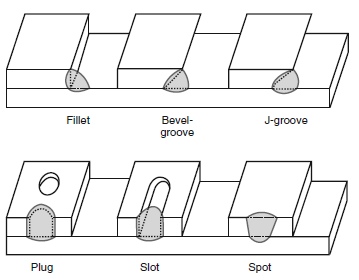
Before diving into the analysis, it’s important to understand the common types of welds used in structural steel design:
img_59569ed3aa744

  1. Fillet Welds: These are triangular in cross-section and are used to join two surfaces at right angles to each other. They are commonly used in T-joints, lap joints, and corner joints.
  2. Groove Welds: Groove welds are used when two pieces of metal are joined along their edges. They can be of various shapes like square, V, U, or bevel, depending on the design requirements.
  3. Plug and Slot Welds: These are used to join overlapping plates, where a hole or slot is filled with weld metal.
  4. Spot Welds: More commonly used in thinner materials or sheet metal applications, spot welding involves joining metal by applying pressure and heat to a specific point.

Each type of weld has its unique applications and considerations in structural engineering, making it crucial to select the appropriate method based on the design needs.


Why Is Weld Analysis Necessary?


Weld analysis is a critical part of structural engineering design for several reasons:


  • Ensuring Safety: Proper weld analysis ensures that the welded joints can carry the intended loads without failure, which is essential for the overall safety of the structure.
  • Performance Under Load: Structural members often experience various forces such as tension, compression, shear, and bending. Weld analysis ensures that these forces are distributed correctly through the welded connections, maintaining structural integrity.
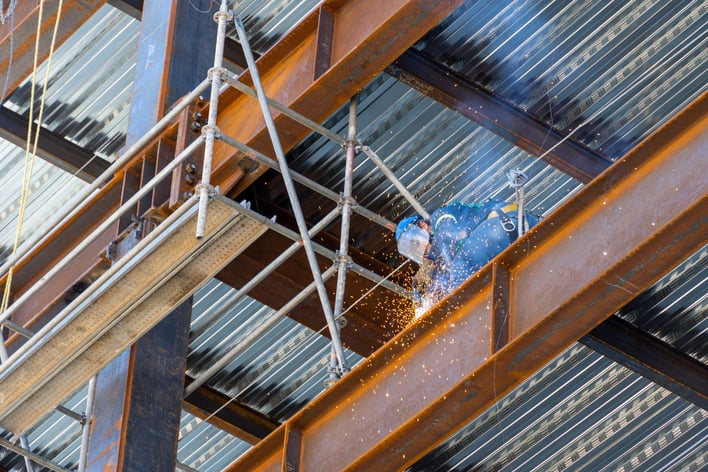
  • Preventing Fatigue and Failure: In structures subjected to dynamic or cyclic loading (like bridges or high-rise buildings), welds can become a point of weakness if not analyzed and designed properly. Incorrect weld sizing or placement can lead to cracks, deformation, or even catastrophic failure over time.
 

low-angle-shot-of-a-male-welding-with-sparks-on-a-2023-11-27-04-55-54-utc


What Happens If Weld Analysis Is Not Done Correctly?


Failure to conduct a thorough weld analysis can have serious consequences:


  • Structural Failures: Welded joints that cannot withstand the applied loads may fail suddenly, leading to the collapse of parts of or the entire structure.
  • Excessive Deformation: Inadequate welds may allow excessive deformation in the structure, compromising its serviceability and leading to costly repairs.
  • Increased Maintenance Costs: Poorly designed welds may require frequent inspections and repairs, increasing maintenance costs and reducing the structure’s lifespan.
  • Safety Hazards: In worst-case scenarios, improper weld design could result in dangerous conditions, posing risks to the lives of occupants or users of the structure.


Key Variables to Consider in Weld Analysis


Weld analysis involves a variety of factors that need to be considered to ensure the safety and performance of welded connections. Some of the key variables include:


  • Effective Weld Area: The effective weld area is calculated based on the length and size of the weld, as well as the throat dimension (the minimum distance from the root to the face of the weld). This area determines the load-carrying capacity of the weld.
  • Nominal Strength of Welded Joint: This refers to the capacity of the weld metal and is based on material properties and the type of weld used. The design must ensure that the strength of the weld is adequate to support the loads it will encounter.
  • Load Types and Directions: Different loads, such as axial, shear, and bending, can act on a welded connection. It is crucial to analyze the behavior of the weld under each type of load and ensure that it can handle the combined effects of these forces.
  • Weld Length and Size: Longer and larger welds can increase the strength of the joint, but they also increase the heat input, which can affect the metallurgical properties of the steel. Finding the right balance is important to avoid problems like distortion or residual stresses.
  • Welding Process and Technique: The method used for welding (e.g., shielded metal arc welding (SMAW), gas metal arc welding (GMAW), or submerged arc welding (SAW)) affects the quality and characteristics of the weld. Different processes may produce different weld strengths, penetration depths, and heat-affected zones.
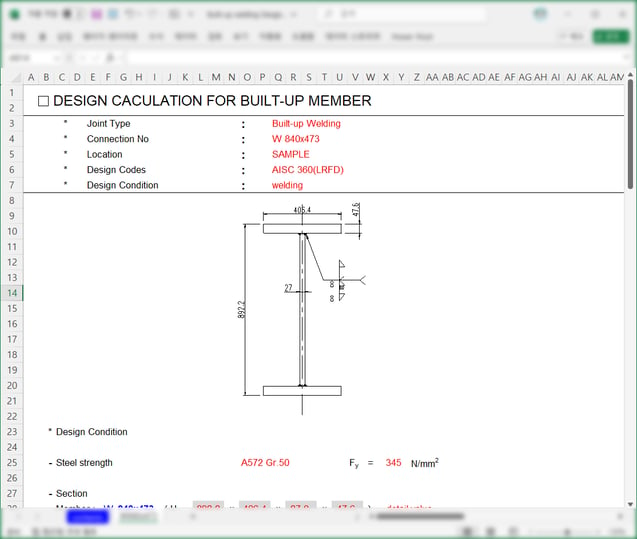
 

엑셀화면3▲ Welding Design sample file


Conclusion: The Importance of Thorough Weld Analysis


Weld analysis is an essential aspect of structural engineering that ensures the safety, reliability, and durability of steel structures. By considering factors like effective weld area, load types, and the properties of the weld metal, engineers can design connections that withstand the demands placed on them. Proper analysis not only helps prevent failures and deformations but also contributes to the efficient use of materials and resources.

For engineers and designers, understanding the nuances of weld analysis is crucial to creating structures that are safe, cost-effective, and capable of performing as intended over their lifespan. So the next time you design a steel structure, remember that a small weld detail can make a big difference!


이벤트배너4


Subscribe to Newsletter

Catch the weekly engineer news!

Welding Design Sample Free Download

Fill out the form below to download the file.

What you may
also like