Would you like to sign out?

Select Country

  • Afghanistan English
  • Albania English
  • Algeria English
  • American Samoa English
  • Andorra English
  • Angola English
  • Anguilla English
  • Antarctica English
  • Antigua and Barbuda English
  • Argentina Español
  • Armenia English
  • Aruba English
  • Australia English
  • Austria English
  • Azerbaijan English
  • Bahamas English
  • Bahrain English
  • Bangladesh English
  • Barbados English
  • Belarus English
  • Belgium English
  • Belize English
  • Benin English
  • Bermuda English
  • Bhutan English
  • Bolivia Español
  • Bosnia and Herzegovina English
  • Botswana English
  • Bouvet Island English
  • Brazil Español
  • British Indian Ocean Territory English
  • British Virgin Islands English
  • Brunei English
  • Bulgaria English
  • Burkina Faso English
  • Burundi English
  • Cambodia English
  • Cameroon English
  • Canada English
  • Cape Verde English
  • Caribbean Netherlands English
  • Cayman Islands English
  • Central African Republic English
  • Chad English
  • Chile Español
  • Christmas Island English
  • Cocos (Keeling) Islands English
  • Colombia Español
  • Comoros English
  • Congo English
  • Cook Islands English
  • Costa Rica Español
  • Côte d’Ivoire English
  • Croatia English
  • Cuba Español
  • Curaçao English
  • Cyprus English
  • Czech Republic English
  • Democratic Republic of the Congo English
  • Denmark English
  • Djibouti English
  • Dominica English
  • Dominican Republic Español
  • Ecuador Español
  • Egypt English
  • El Salvador Español
  • Equatorial Guinea English
  • Eritrea English
  • Estonia English
  • Ethiopia English
  • Falkland Islands English
  • Faroe Islands English
  • Fiji English
  • Finland English
  • France English
  • French Guiana Español
  • French Polynesia English
  • French Southern Territories English
  • Gabon English
  • Gambia English
  • Georgia English
  • Germany English
  • Ghana English
  • Gibraltar English
  • Greece English
  • Greenland English
  • Grenada English
  • Guadeloupe Español
  • Guam English
  • Guatemala Español
  • Guernsey English
  • Guinea English
  • Guinea-Bissau English
  • Guyana English
  • Haiti Español
  • Heard Island and McDonald Islands English
  • Honduras Español
  • Hong Kong English
  • Hungary English
  • Iceland English
  • India English
  • Indonesia English
  • Iran English
  • Iraq English
  • Ireland English
  • Isle of Man English
  • Israel English
  • Italy English
  • Jamaica English
  • Japan 日本語
  • Jersey English
  • Jordan English
  • Kazakhstan English
  • Kenya English
  • Kiribati English
  • South Korea 한국어
  • Kuwait English
  • Kyrgyzstan English
  • Laos English
  • Latvia English
  • Lebanon English
  • Lesotho English
  • Liberia English
  • Libya English
  • Liechtenstein English
  • Lithuania English
  • Luxembourg English
  • Macau English
  • Madagascar English
  • Malawi English
  • Malaysia English
  • Maldives English
  • Mali English
  • Malta English
  • Marshall Islands English
  • Martinique Español
  • Mauritania English
  • Mauritius English
  • Mayotte English
  • Mexico Español
  • Micronesia English
  • Moldova English
  • Monaco English
  • Mongolia English
  • Montenegro English
  • Montserrat English
  • Morocco English
  • Mozambique English
  • Myanmar English
  • Namibia English
  • Nauru English
  • Nepal English
  • Netherlands English
  • New Caledonia English
  • New Zealand English
  • Nicaragua Español
  • Niger English
  • Nigeria English
  • Niue English
  • Norfolk Island English
  • Northern Mariana Islands English
  • Norway English
  • Oman English
  • Pakistan English
  • Palau English
  • Palestine English
  • Panama Español
  • Papua New Guinea English
  • Paraguay Español
  • Peru Español
  • Philippines English
  • Pitcairn Islands English
  • Poland English
  • Portugal Español
  • Puerto Rico Español
  • Qatar English
  • Réunion English
  • Romania English
  • Russia English
  • Rwanda English
  • Saint Barthélemy Español
  • Saint Helena English
  • Saint Kitts and Nevis English
  • Saint Lucia English
  • Saint Martin Español
  • Saint Pierre and Miquelon English
  • Saint Vincent and the Grenadines English
  • Samoa English
  • San Marino English
  • Sao Tome and Principe English
  • Saudi Arabia English
  • Senegal English
  • Serbia English
  • Seychelles English
  • Sierra Leone English
  • Singapore English
  • Sint Maarten English
  • Slovakia English
  • Slovenia English
  • Solomon Islands English
  • Somalia English
  • South Africa English
  • South Georgia English
  • South Sudan English
  • Spain Español
  • Sri Lanka English
  • Sudan English
  • Suriname English
  • Svalbard and Jan Mayen English
  • Eswatini English
  • Sweden English
  • Switzerland English
  • Syria English
  • Taiwan English
  • Tajikistan English
  • Tanzania English
  • Thailand English
  • Togo English
  • Tokelau English
  • Tonga English
  • Trinidad and Tobago English
  • Tunisia English
  • Turkey English
  • Turkmenistan English
  • Turks and Caicos Islands English
  • Tuvalu English
  • U.S. Virgin Islands English
  • Uganda English
  • Ukraine English
  • United Arab Emirates English
  • United Kingdom English
  • United States of America English
  • U.S. Minor Outlying Islands English
  • Uruguay Español
  • Uzbekistan English
  • Vanuatu English
  • Vatican City English
  • Venezuela Español
  • Vietnam English
  • Wallis and Futuna English
  • Western Sahara English
  • Yemen English
  • Zambia English
  • Zimbabwe English
  • Åland Islands English
  • East Timor English
  • Netherlands Antilles English
  • Serbia and Montenegro English
  • North Macedonia English
  • Timor-Leste English
Bridge

Baltimore bridge collapse: What structural engineers can do to minimize damage

Table of Contents Click the table of contents for details.


1. Introduction


On March 26, the main spans of the Francis Scott Key Bridge at Baltimore collapsed after a container ship lost power and collided with one of its piers. According to NBC News, unfortunately, it is estimated that six nighttime workers have died. Accidents due to ships or barges colliding with bridges occur frequently worldwide. In the period from 1960 to 2015, there have been 35 major bridge collapses worldwide due to ship or barge collision with a total loss of life of 342 people. (Source: Ship And Barge Collisions With Bridges Over Navigable Waterways) We cannot eliminate accidents, but structural engineers can minimize the damage caused by them. Structural engineers ensure stability by finding the optimal structure through simulations and analyses of various variables such as ship collisions and earthquakes.


In this content, we will explore methods for calculating Vessel Collision probability based on AASHTO standards and Korean design standards, and discuss how to assess the risk of ship collisions on bridges.


All bridge components in a navigable waterway crossing, located in design water depths not less than 600mm, shall be designed for vessel impact. (AASHTO LRFD Bridge Design Specifications 4th Edition 2007)


This technical content aims to explore:

Probability of aberrancy

Geometric Probability

Probability of Collapse

Design Collision Velocity

Vessel Collision Energy

to calculate the annual Frequency of Collapse of bridge components.


2. Annual Frequency of Collapse


The annual frequency of a bridge component collapse is calculated using the following equation.


AF=(N)(PA)(PG)(PC) 

where:

AF = annual frequency of bridge component collapse due to vessel collision

N = the annual number of vessels, classified by type, size, and loading condition, that utilize the

channel

PA = the probability of vessel aberrancy

PG = the geometric probability of a collision between an aberrant vessel and a bridge pier or span

PC = the probability of bridge collapse due to a collision with an aberrant vessel


(1) Vessel Frequency Distribution


Based on size, type, and loading condition and available water depth, the number of vessels(N) shall be calculated for each pier and span component.

Depending on waterway conditions, a differentiation between the number and loading condition of vessels transiting inbound and outbound shall be considered.

Vessel characteristics necessary to conduct the analysis include:

-Length overall

-Width

-DWT

-Number of transits under the bridge each year


(2) Probability of Aberrancy


The probability of vessel aberrancy, PA, may be determined by the statistical or the approximate method. This document uses an approximate method to calculate the Probability of Aberrancy.

The probability of aberrancy may be taken as:


PA=(BR)(RB)(RC)(RXC)(RD)

where:

PAprobability of aberrancy

BRaberrancy base rate

RB = correction factor for bridge location

RCcorrection factor for current acting parallel to vessel transit path

RXCcorrection factor for cross-currents acting perpendicular to vessel transit path

RD = correction factor for vessel traffic density


The base rate, BR, of aberrancy shall be taken as:

For ships:

BR = 0.6 * 10-4

For barges:

BR = 1.2 * 10-4


The correction factor for bridge location, RB, based on the relative location of the bridge in either of three waterway regions, as shown in Figure 1, shall be taken as:

For straight regions:

RB = 1.0

For transition regions:

RB = 1 + θ/90°

For turn/bend regions:

RB = 1 + θ/45°

where:

θ = angle of the turn or bend specified in Figure 1 (°)
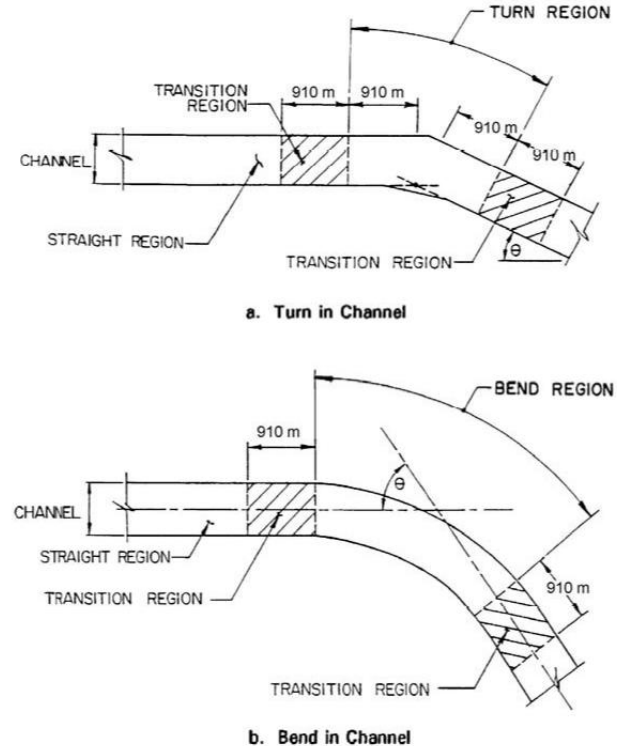
Figure 1 Waterway Regions for Bridge LocationFigure 1. Waterway Regions for Bridge Location (AASHTO LRFD Bridge Design Specifications 4th Edition 2007)


The correction factor, RC, for currents acting parallel to the vessel transit path in the waterway shall be taken as:


RC = 1 + VC/19

where:

VC = current velocity component parallel to the vessel transit path (km/hr.)


The correction factor, RXC, for cross-currents acting perpendicular to the vessel transit path in the waterway shall be taken as:


RXC = 1.0 + 0.54VxC

where:

VxCcurrent velocity component perpendicular to the vessel transit path (km/hr.)


The correction factor for vessel traffic density, RD, shall be selected on the basis of the ship/barge traffic density level in the waterway in the immediate vicinity of the bridge defined as:


Low densityvessels rarely meet, pass, or overtake each other in the immediate vicinity of the

bridge:

RD = 1.0
Average densityvessels occasionally, pass, or overtake:
RD = 1.3

Content visible until here


You can check more of these details in the download file.


(3) Geometric Probability


(4) Probability of Collapse


3. Collision Velocity


4. Vessel Collision Energy


5. Conclusion


References


"Six presumed dead after cargo ship crash levels Baltimore bridge" (2024) NBC NEWS, by Julia Jester, Patrick Smith, Phil Helsel and Corky Siemaszko

"Ship And Barge Collisions With Bridges Over Navigable Waterways" (2018) by Michael Knott, P.E. and Mikele Winters, P.E.

Korean Design Standard (2021) : KDS 24 12 21

AASHTO (2007). LRFD Bridge Design Specifications, 4th Edition, American Association of State
Highway and Transportation Officials (AASHTO), United States.


#Vessel Collision


About the MOTIVATOR
Harold S.Y Ha
Structural Engineer More than 15 years of experience

I am a structural engineer who is interested in all structures from civil structures to offshore structures.
Based on various practical experiences, I would like to introduce engineering more easily.
And I want to be able to share my thoughts and enjoy the various attempts that can improve the efficiency of engineering work with you.


I hope every engineer who reads my contents will get even the slightest inspiration and motivation needed for the engineer's journey.


👉 Learn more about the editor (click)


※ You can view related content by clicking on the keywords below.
Subscribe to Newsletter

Catch the weekly engineer news!

Baltimore bridge collapse: What structural engineers can do to minimize damage (Full Text)

Fill out the form below to download the Full Text.

What you may
also like