Would you like to sign out?

Select Country

  • Afghanistan English
  • Albania English
  • Algeria English
  • American Samoa English
  • Andorra English
  • Angola English
  • Anguilla English
  • Antarctica English
  • Antigua and Barbuda English
  • Argentina Español
  • Armenia English
  • Aruba English
  • Australia English
  • Austria English
  • Azerbaijan English
  • Bahamas English
  • Bahrain English
  • Bangladesh English
  • Barbados English
  • Belarus English
  • Belgium English
  • Belize English
  • Benin English
  • Bermuda English
  • Bhutan English
  • Bolivia Español
  • Bosnia and Herzegovina English
  • Botswana English
  • Bouvet Island English
  • Brazil Español
  • British Indian Ocean Territory English
  • British Virgin Islands English
  • Brunei English
  • Bulgaria English
  • Burkina Faso English
  • Burundi English
  • Cambodia English
  • Cameroon English
  • Canada English
  • Cape Verde English
  • Caribbean Netherlands English
  • Cayman Islands English
  • Central African Republic English
  • Chad English
  • Chile Español
  • Christmas Island English
  • Cocos (Keeling) Islands English
  • Colombia Español
  • Comoros English
  • Congo English
  • Cook Islands English
  • Costa Rica Español
  • Côte d’Ivoire English
  • Croatia English
  • Cuba Español
  • Curaçao English
  • Cyprus English
  • Czech Republic English
  • Democratic Republic of the Congo English
  • Denmark English
  • Djibouti English
  • Dominica English
  • Dominican Republic Español
  • Ecuador Español
  • Egypt English
  • El Salvador Español
  • Equatorial Guinea English
  • Eritrea English
  • Estonia English
  • Ethiopia English
  • Falkland Islands English
  • Faroe Islands English
  • Fiji English
  • Finland English
  • France English
  • French Guiana Español
  • French Polynesia English
  • French Southern Territories English
  • Gabon English
  • Gambia English
  • Georgia English
  • Germany English
  • Ghana English
  • Gibraltar English
  • Greece English
  • Greenland English
  • Grenada English
  • Guadeloupe Español
  • Guam English
  • Guatemala Español
  • Guernsey English
  • Guinea English
  • Guinea-Bissau English
  • Guyana English
  • Haiti Español
  • Heard Island and McDonald Islands English
  • Honduras Español
  • Hong Kong English
  • Hungary English
  • Iceland English
  • India English
  • Indonesia English
  • Iran English
  • Iraq English
  • Ireland English
  • Isle of Man English
  • Israel English
  • Italy English
  • Jamaica English
  • Japan 日本語
  • Jersey English
  • Jordan English
  • Kazakhstan English
  • Kenya English
  • Kiribati English
  • South Korea 한국어
  • Kuwait English
  • Kyrgyzstan English
  • Laos English
  • Latvia English
  • Lebanon English
  • Lesotho English
  • Liberia English
  • Libya English
  • Liechtenstein English
  • Lithuania English
  • Luxembourg English
  • Macau English
  • Madagascar English
  • Malawi English
  • Malaysia English
  • Maldives English
  • Mali English
  • Malta English
  • Marshall Islands English
  • Martinique Español
  • Mauritania English
  • Mauritius English
  • Mayotte English
  • Mexico Español
  • Micronesia English
  • Moldova English
  • Monaco English
  • Mongolia English
  • Montenegro English
  • Montserrat English
  • Morocco English
  • Mozambique English
  • Myanmar English
  • Namibia English
  • Nauru English
  • Nepal English
  • Netherlands English
  • New Caledonia English
  • New Zealand English
  • Nicaragua Español
  • Niger English
  • Nigeria English
  • Niue English
  • Norfolk Island English
  • Northern Mariana Islands English
  • Norway English
  • Oman English
  • Pakistan English
  • Palau English
  • Palestine English
  • Panama Español
  • Papua New Guinea English
  • Paraguay Español
  • Peru Español
  • Philippines English
  • Pitcairn Islands English
  • Poland English
  • Portugal Español
  • Puerto Rico Español
  • Qatar English
  • Réunion English
  • Romania English
  • Russia English
  • Rwanda English
  • Saint Barthélemy Español
  • Saint Helena English
  • Saint Kitts and Nevis English
  • Saint Lucia English
  • Saint Martin Español
  • Saint Pierre and Miquelon English
  • Saint Vincent and the Grenadines English
  • Samoa English
  • San Marino English
  • Sao Tome and Principe English
  • Saudi Arabia English
  • Senegal English
  • Serbia English
  • Seychelles English
  • Sierra Leone English
  • Singapore English
  • Sint Maarten English
  • Slovakia English
  • Slovenia English
  • Solomon Islands English
  • Somalia English
  • South Africa English
  • South Georgia English
  • South Sudan English
  • Spain Español
  • Sri Lanka English
  • Sudan English
  • Suriname English
  • Svalbard and Jan Mayen English
  • Eswatini English
  • Sweden English
  • Switzerland English
  • Syria English
  • Taiwan English
  • Tajikistan English
  • Tanzania English
  • Thailand English
  • Togo English
  • Tokelau English
  • Tonga English
  • Trinidad and Tobago English
  • Tunisia English
  • Turkey English
  • Turkmenistan English
  • Turks and Caicos Islands English
  • Tuvalu English
  • U.S. Virgin Islands English
  • Uganda English
  • Ukraine English
  • United Arab Emirates English
  • United Kingdom English
  • United States of America English
  • U.S. Minor Outlying Islands English
  • Uruguay Español
  • Uzbekistan English
  • Vanuatu English
  • Vatican City English
  • Venezuela Español
  • Vietnam English
  • Wallis and Futuna English
  • Western Sahara English
  • Yemen English
  • Zambia English
  • Zimbabwe English
  • Åland Islands English
  • East Timor English
  • Netherlands Antilles English
  • Serbia and Montenegro English
  • North Macedonia English
  • Timor-Leste English
Structure

What Is Prefabricated Construction? What Are Its Benefits?

Table of Contents Click the table of contents for details.

Intro


As civil engineers, we constantly seek ways to improve efficiency, reduce costs, and minimize environmental impact. One way to achieve these goals is prefabricated construction. This approach, also known as prefabrication, is transforming the industry by offering innovative solutions that meet the demands of modern construction. But what exactly is prefabricated construction, and why should we, as civil engineers, consider it for our projects?


What is Prefabricated Construction?
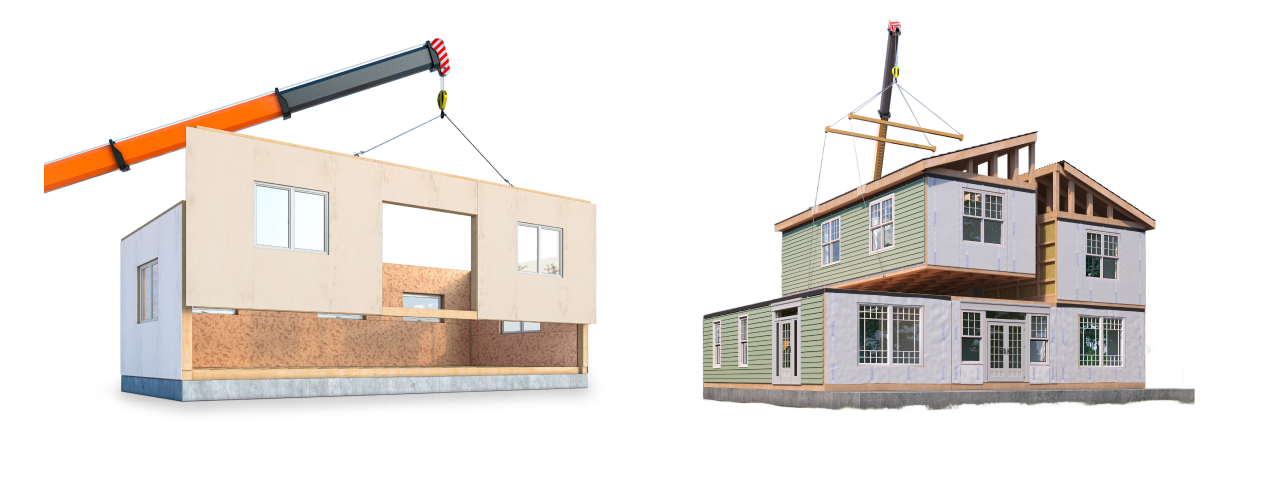
 

Prefabricated construction

Prefabricated construction


Prefabricated construction is a method where building components are manufactured in a factory setting before being transported to the construction site for assembly. These components, often referred to as prefab buildings, can include walls, floors, roofs, and entire room-sized modules. The process allows for precise manufacturing conditions, which significantly improves the quality and durability of the final product.


Advantages of Prefabrication


Prefabrication offers several advantages that make it an attractive option for modern construction projects.


Efficiency and Speed


One of the most significant benefits of prefabricated construction is the reduction in construction time. Since the components are manufactured simultaneously with site preparation, the overall project timeline can be shortened by up to 50%. This efficiency is particularly valuable for projects with tight deadlines or those located in regions with adverse weather conditions that can delay traditional construction methods.


Cost-Effectiveness


Prefabrication can lead to substantial cost savings. The controlled factory environment reduces waste and minimizes the risk of on-site errors, which can be costly to rectify. Additionally, the predictability of factory production schedules means fewer delays and a more streamlined process, further reducing labor and material costs. An additional advantage is that minimizing on-site work reduces the risk of safety accidents.


Quality and Precision


In factory settings, more precision and quality control are possible than on-site construction. Each component is produced through standardized processes, ensuring consistency and reducing the likelihood of defects. This precision translates to better structural integrity and a longer lifespan for prefab buildings.


Sustainability


Prefabricated construction is inherently more sustainable than traditional methods. The efficient use of materials in a controlled environment results in less waste. In the prefab process, the industrial waste generated from on-site work is minimized. Moreover, the ability to reuse and recycle materials is enhanced in a factory setting.


Examples of Prefabricated Construction


Mini Sky City in Changsha : 57-story, 204m high
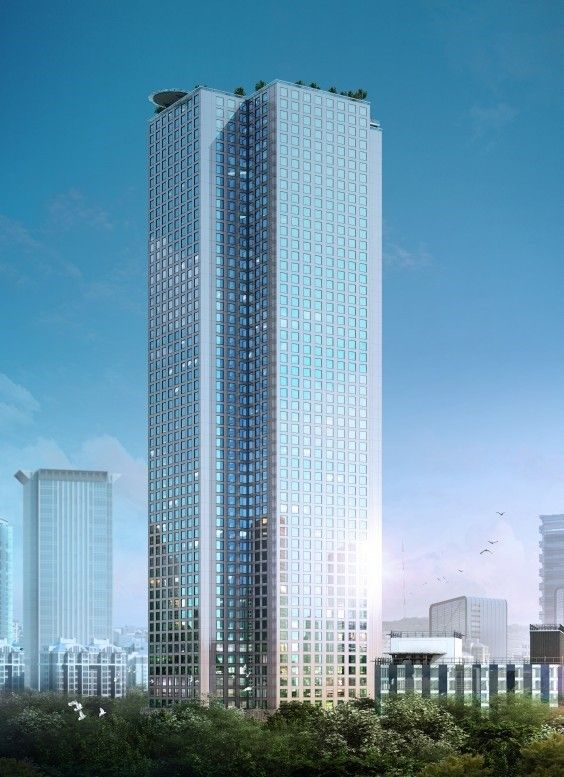
 

Mini Sky City in Changsha

Mini Sky City in Changsha (57-story, 204m high)


Can you believe that a 57-story building was completed in just 19 days? It was possible by prefabricated construction. The Broad Group’s Mini Sky City in Changsha, China, completed a 57-story, 204m high building in just 19 days using prefabricated components. The modules were produced off-site, transported, and then assembled, demonstrating the feasibility and efficiency of prefabrication in large-scale projects.


B2 Tower at Pacific Park in Brooklyn : 32-story, 109m high


B2 Tower (c) 2024 SHoP ArchitectsB2 Tower at Pacific Park in Brooklyn (32-story, 109m high) © 2024 SHoP Architects


Another example is the B2 Tower at Pacific Park in Brooklyn, USA, featuring 350 units across its 32 stories (109m). It has been estimated that, compared to a similar tower constructed using conventional techniques, modular construction for this building reduced costs by 20% and cut waste by 70%.


Summary


Prefabricated construction is not just a trend; it’s a paradigm shift in how we approach building projects. The global prefabricated home market size reached USD 140000.0 million in 2021 and the market is expected to reach USD 294398.2 million by 2032 at a CAGR of 6.99% during the forecast period. (Source: ) Prefabrication can lead to more efficient, cost-effective, and sustainable projects. As we continue to innovate and adapt to the challenges of modern construction, prefabrication offers a path forward that combines the best of technology and design.

By leveraging the advantages of prefab buildings, we can build faster, smarter, and greener, paving the way for a future where construction is as efficient as it is visionary.


Topics


#prefab

#modular building

#prefabricated construction


About the MOTIVATOR
Jegeon Ryu
Project Manager & Content Creator MOTIVE

Hello, I am Jegeon Ryu, a Project Manager responsible for developing MOTIVE for engineers dedicated to creating a safer and better world. During my two years of military service, I learned that creating a safer world is achievable through the sharing of technology and motivating each other. My goal is to contribute to the happiness of the world by creating a global platform that facilitates mutual knowledge sharing and growth.


Profile: Jegeon Ryu


※ If you click on the keywords below "Topics," you can view related contents.

Subscribe to Newsletter

Catch the weekly engineer news!

What you may
also like