
Recent data from the American Society of Civil Engineers highlights a troubling trend(click): a decline in the number of young professionals entering the civil engineering field over the past five years. This trend, driven by misconceptions about the industry and educational barriers, threatens to age the workforce, diminish productivity, and weaken global competitiveness.
The Resilience of Civil Engineering
Despite these challenges, civil engineering continues to attract discerning individuals, especially during times of economic uncertainty. The stability and resilience of this field were particularly evident during events like the COVID-19 pandemic and ongoing geopolitical tensions. New York University points to several reasons why civil engineering remains a wise career choice:
- Resilience During Economic Downturns
: Civil engineering has proven its resilience during economic recessions, offering a stable career choice amid global crises. - Government Employment Stability: A significant number of civil engineers are employed by government agencies, which tend to provide more job security during economic downturns as public infrastructure projects are less likely to face budget cuts.
- Constant Demand for Infrastructure: Independent of economic conditions, there is a persistent need for the maintenance, repair, and upgrading of infrastructure. This continuous demand ensures that civil engineering services remain essential, making the profession less vulnerable to recession-driven job losses.
These factors underscore why the wise opt for a career in civil engineering, even in uncertain times.

Why Civil Engineering is a Wise Choice Today
Economic Prospects: Projected Growth and Rising Salaries
According to the American Society of Civil Engineers, employment for civil engineers is projected to grow by 5% from 2022 to 2032, faster than the average for all occupations. This growth is anticipated due to the need to replace workers transitioning to different occupations or retiring. Moreover, a report from the same source indicates that civil engineering salaries are on the rise, reflecting the profession's strong and climbing demand.
The Crucial Role of Civil Engineering in Sustainability and Environment
Civil engineering is at the forefront of addressing some of the most pressing global issues identified by the United Nations, such as sustainability and environmental impact. The field is increasingly adapting to include sustainable and resilient infrastructure practices that balance environmental, economic, societal, and governance considerations. Civil engineers are spearheading innovative approaches to minimize negative social and environmental impacts and maximize the benefits of infrastructure projects. Institutions like MIT's Department of Civil and Environmental Engineering and Stanford University's Sustainable Design & Construction Program are leading the way in integrating sustainability into civil engineering curricula and projects, demonstrating a commitment to environmental stewardship and innovation. These initiatives are essential for meeting the current and future challenges posed by climate change and societal demands, ensuring that civil engineering remains a key player in the global push for sustainability.
Job Satisfaction: Making a Tangible Difference
Research shows that professions like civil engineering, which produce tangible differences, significantly enhance job satisfaction. According to the American Society of Civil Engineers (ASCE), 85.2% of civil engineers report high job satisfaction, influenced by the visible impacts of their projects on communities. This satisfaction isn't just about financial compensation but also the fulfillment derived from constructing and maintaining infrastructure that benefits society at large.
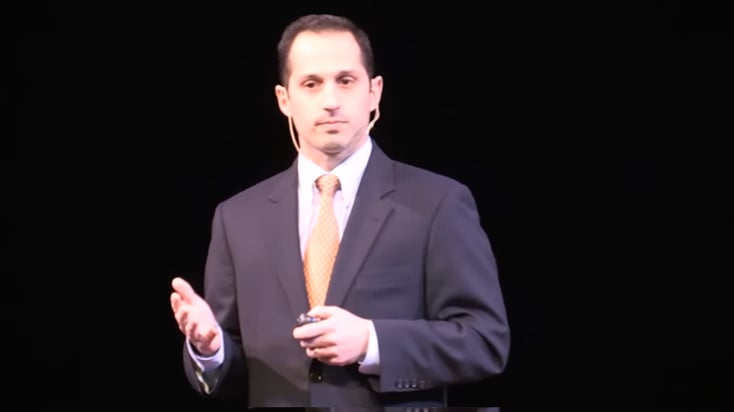 Ted Talk by Anthony Fasano, "How Engineers Will Save the World"
How Civil Engineers Will Save the World
Anthony Fasano, PE, F. ASCE, a distinguished engineering leadership coach and consultantin his TED Talk titled "How Engineers Will Save the World," addresses the pressing challenges facing our planet today—challenges like the widespread lack of access to clean water, the significant rise in global temperatures, and the alarming state of infrastructure in the United States. Fasano highlights how one out of every ten people lacks access to clean drinking water, and how the Earth's temperature has risen by one and a half degrees Fahrenheit over the past century, with most of the warming occurring in recent decades. Moreover, he draws attention to the 2013 report card from the American Society of Civil Engineers, which gave U.S. infrastructure a grade of D+, underscoring the critical condition of our country's physical framework.
Through these examples, Fasano emphasizes the crucial role that civil engineers play in not just maintaining but actively improving our world. He argues that civil engineers are essential in addressing these issues, effectively positioning them as modern-day superheroes who don't just solve technical problems but safeguard civilization itself. His talk is a call to action, stressing the need for a robust generation of motivated engineers equipped with the resources to tackle these immense challenges. He points out the misconceptions in the U.S. that may deter young people from pursuing engineering—stereotypes that paint engineers as nerds, overshadowing the profession’s true prestige and societal importance.
Fasano's urgent call reinforces the pivotal role civil engineers must play in overcoming these formidable challenges. His insights serve as a rallying cry for both current professionals and the next generation of engineers to engage deeply and inventively in their work, inspired by the potential to enact real-world changes
Expecting Continued Dedication to Civil Engineering
In a world where crises and opportunities are two sides of the same coin, truly wise individuals do not miss the chance to seize the opportunities presented. The ongoing influx of young talent into civil engineering and the continued dedication of current professionals are crucial for addressing the urgent problems of our time. As civil engineers, our role extends beyond mere job descriptions—we are potential saviors of our planet, equipped to tackle the greatest challenges of our era and to ensure a sustainable and prosperous future for all.
In line with the spirit of this TED Talk, MOTIVE stands as a platform dedicated to sharing the inspirational journeys of engineers. Our mission to make every engineer's journey a story of success echoes Fasano's call to action. By celebrating the transformative power of engineering and the individuals behind it, we aim to inspire, motivate, and empower the next generation of engineers to rise to the occasion and make a difference in the world.
References
Original Ted Talk Video : How Engineers Will Save the World | Anthony Fasano | TEDxBergenCommunityCollege (click)

Anthony Fasano, PE, is the President & CEO of the Engineering Management Institute (EMI), renowned for his commitment to helping engineers develop essential leadership and management skills.
With a successful career transition from a high-level engineering executive to an impactful coach and trainer, Fasano has dedicated his life to empowering engineers across all levels.
For those interested in learning more about his work or exploring opportunities to contribute to the field of engineering leadership and development, further information can be found here.
※ Click on the keywords below 'Topics' to view related content.