
You can find information about the history of Structural Engineering Before Christ here:
Interesting History of Structural Engineering 1 - BC
Interesting History of Structural Engineering 2 - Scientific Revolution
Intro
During this period, theories were refined, the first degrees in civil engineering, which taught these theories, emerged, and tall structures such as the Eiffel Tower, surpassing pyramids, appeared through the use of new construction materials, including reinforced concrete, widely used to this day.
History of Structural Engineering Timeline
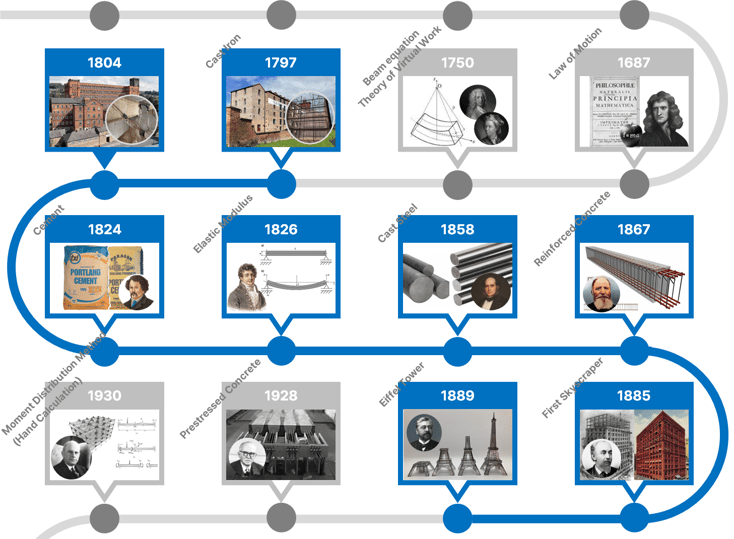 History of Structural Engineering Timeline
3. 19th Century
1797 The Ditherington Flax Mill | Charles Bage
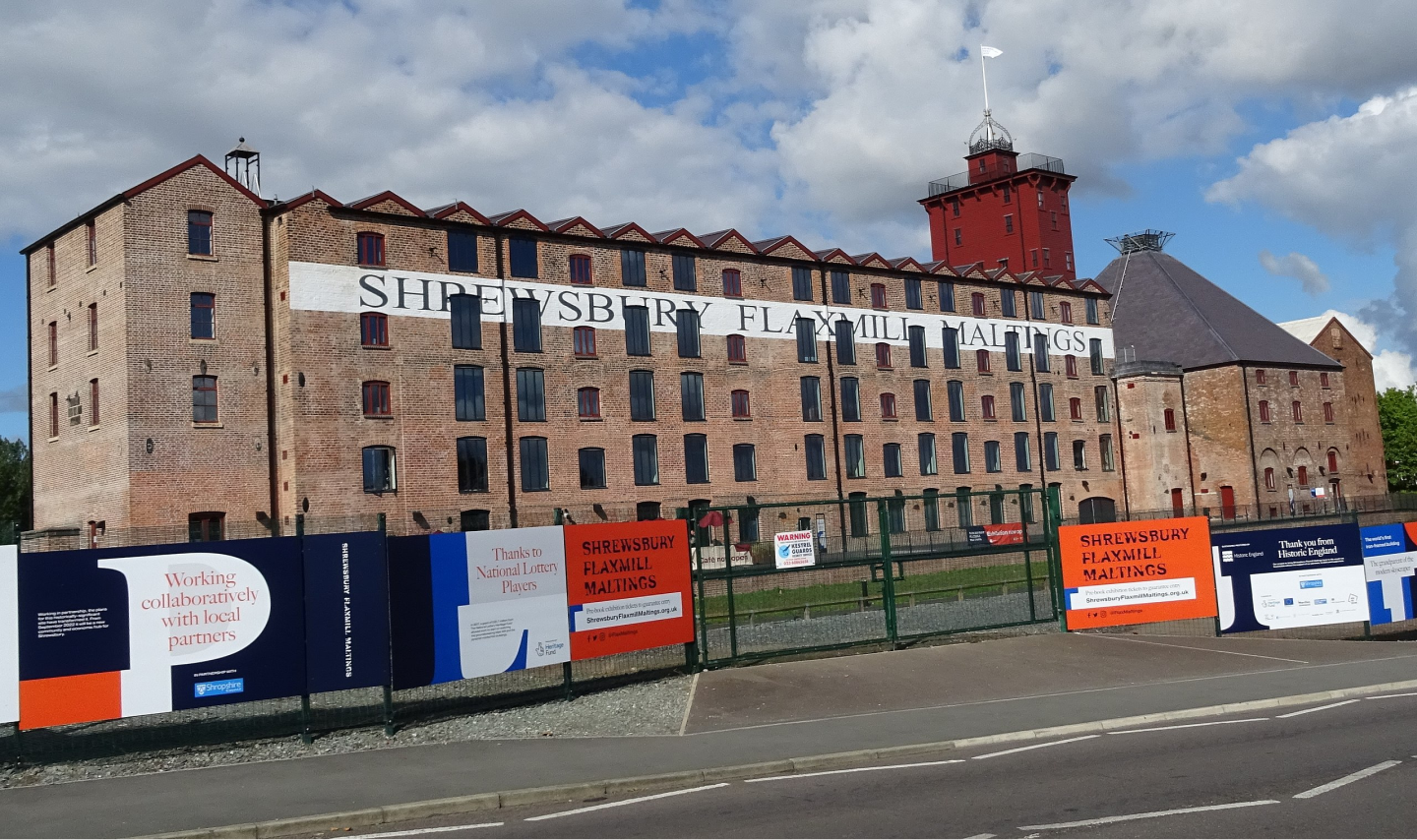 The Ditherington Flax Mill, the first iron-framed building (source: wikipedia)
The Ditherington Flax Mill in Shrewsbury is the first iron-framed building in the world. Before construction began, Charles Bage tested the strength of cast iron and the structure of the frame. The strength imparted by steel to main beams not only created fire-resistant structures but also served as a leap allowing buildings to be constructed taller. That’s why it is described as "the grandfather of skyscrapers" despite its low height.
Then who is the father of skyscrapers? The figure will come up later in this post.
1804 Strutt’s North Mill | William Strutt
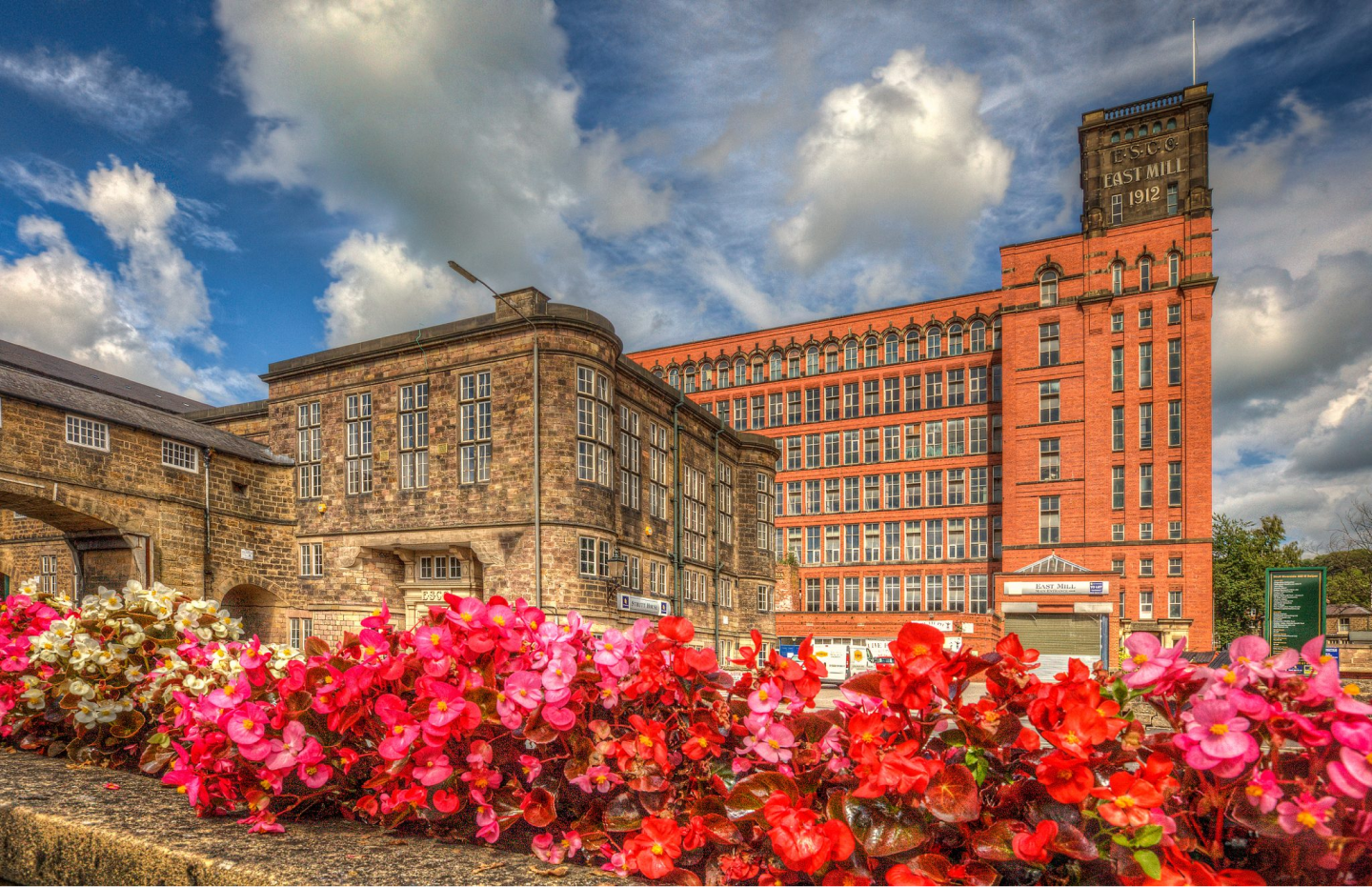 Strutt’s North Mill, the first fire-proof building (source: belpernorthmill.org.uk)
In 1804, the world’s first “fire-proof” building, was built. The original North Mill was destroyed by fire in 1803. Built in 1804, on the ruins of the previous mill, the replacement stands as one of the world's oldest surviving examples of an iron-framed, "fire-proof" structure.
1824 Cement | Joseph Aspdin
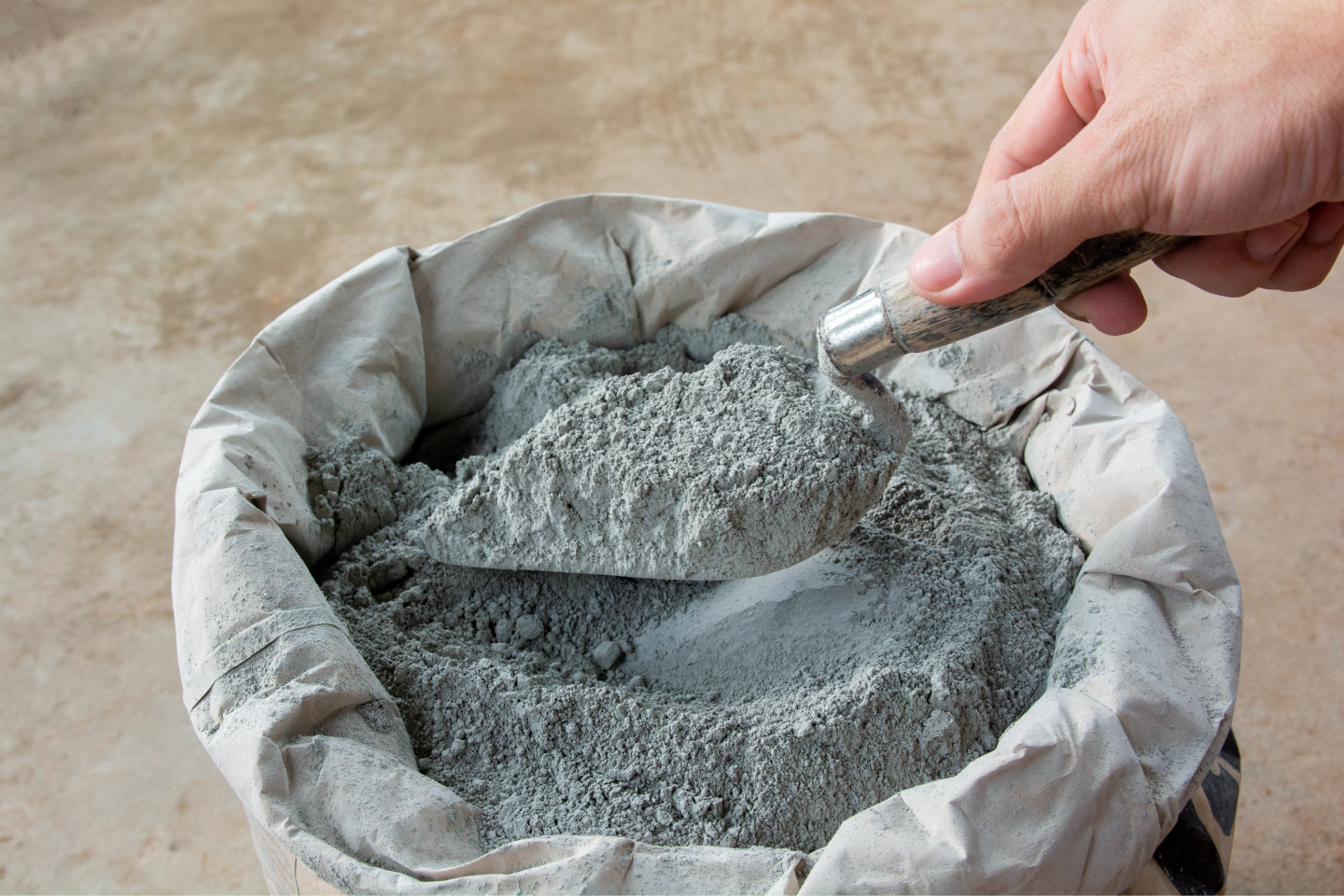 Portland cement
In 1824, the British bricklayer Joseph Aspdin patented Portland cement, which he produced using limestone. The name "Portland cement" originated from its resemblance to the color of limestone found on the Isle of Portland in England. It is currently the most widely used form of cement in use worldwide. It's hard to find a construction site where it isn't used.
1826 Elastic Modulus | Claude-Louis Navier
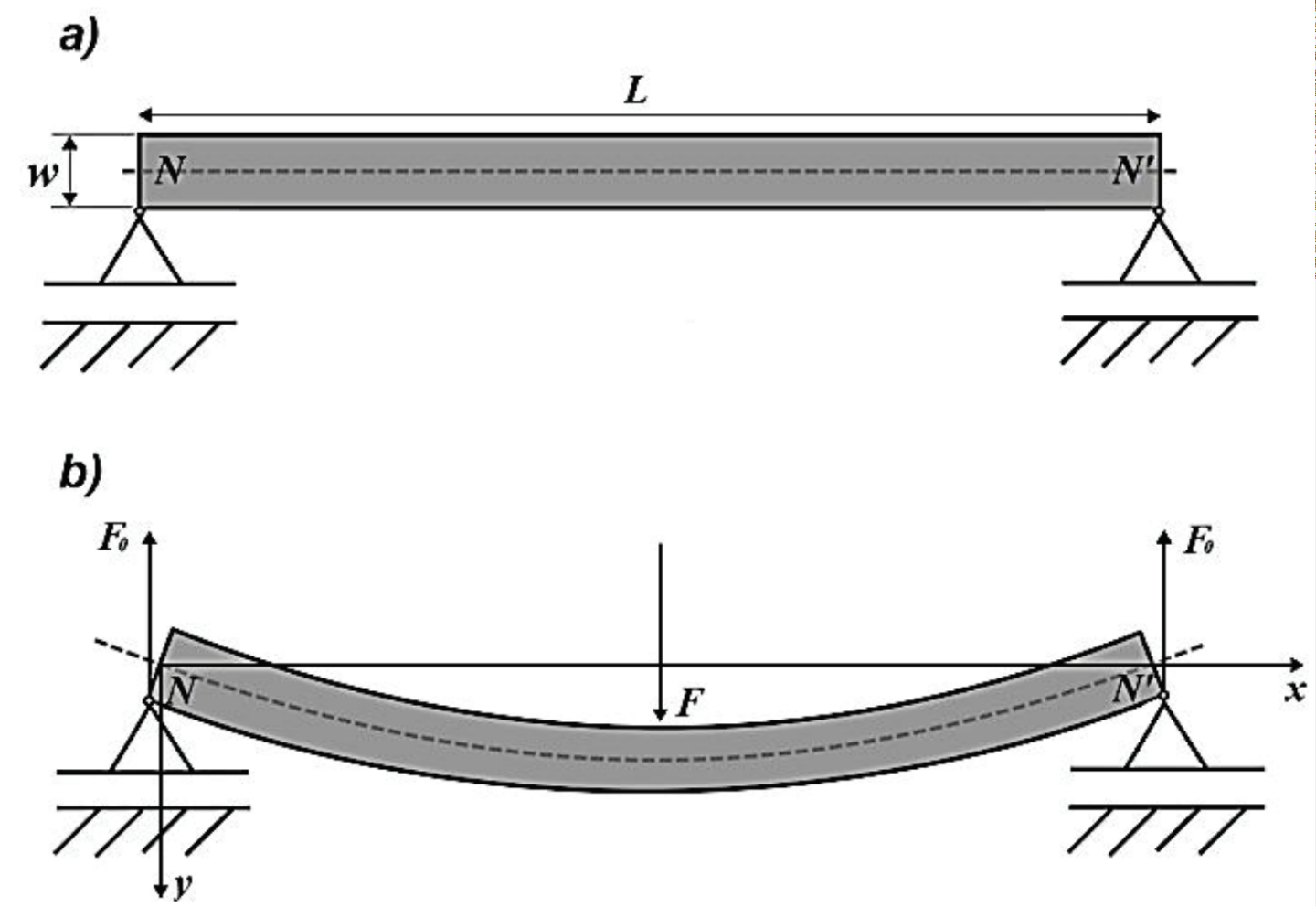 Elastic Modulus, the ability of a material to withstand elastic deformation
The Theory of Elasticity was published by Claude-Louis Navier. He was the first to point out that a structural engineer's responsibility is to prevent a structure from failing in the first place rather than to comprehend it in its final, failed form. The ability of a material to withstand elastic deformation in response to applied stress is known as its elastic modulus, which was also discovered by Navier. Many people now see him as the founder of modern structural analysis because of his contributions.
1835 The First U.S. Civil Engineering degree | Rensselaer School/University
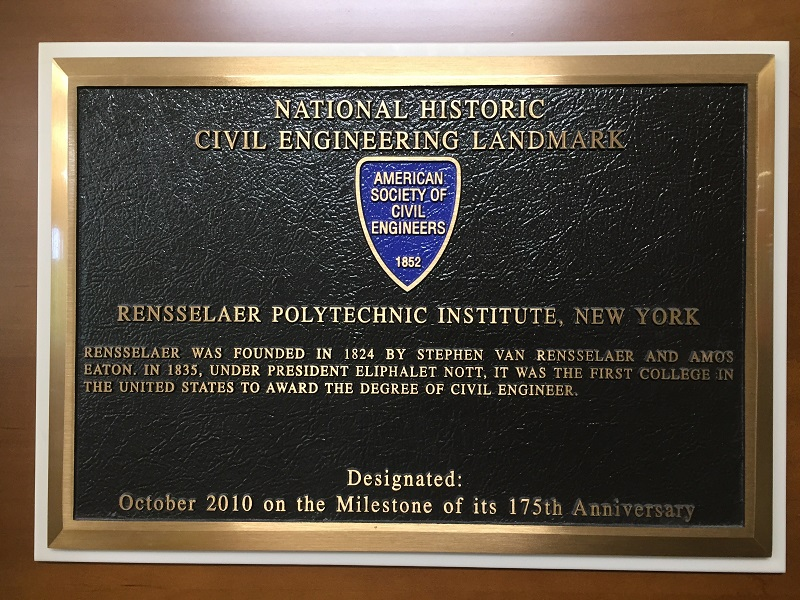 The First U.S. Civil Engineering degree in 1835
The Rensselaer Polytechnic Institute, also known as the Rensselaer School, was founded in 1824 "for the purpose of instructing persons, who may choose to apply themselves, in the application of science to the common purposes of life" by Alan Eaton and Van Rensselaer. The School was authorized by the State of New York to offer the degree of Civil Engineer in 1835 and four young men received the first degrees in June of that same year.
1858 Cast Steel | Henry Bessemer
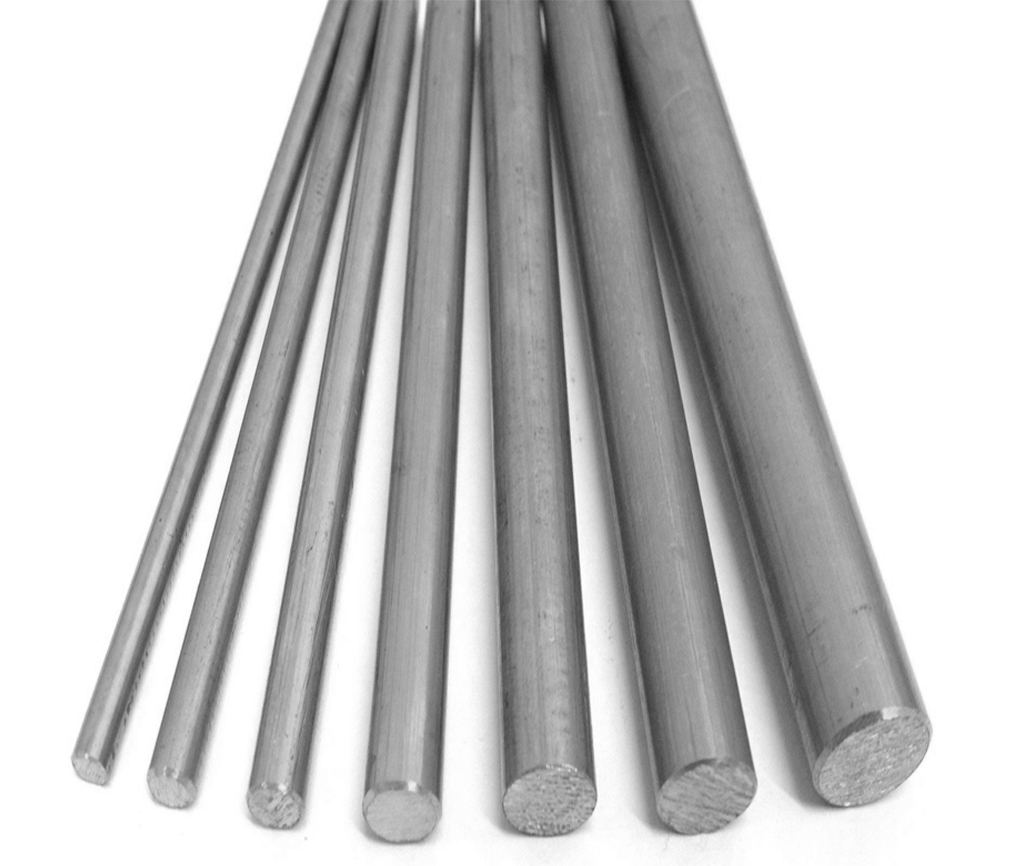 Cast Steel
Cast iron was successfully converted into cast steel by Henry Bessemer. Eventually, this material took the place of cast and wrought iron as the primary metal in construction. Cast steel can be welded and has higher strength, thus expanding the range of structures that can be built.
1867 Reinforced Concrete | Joseph Monier
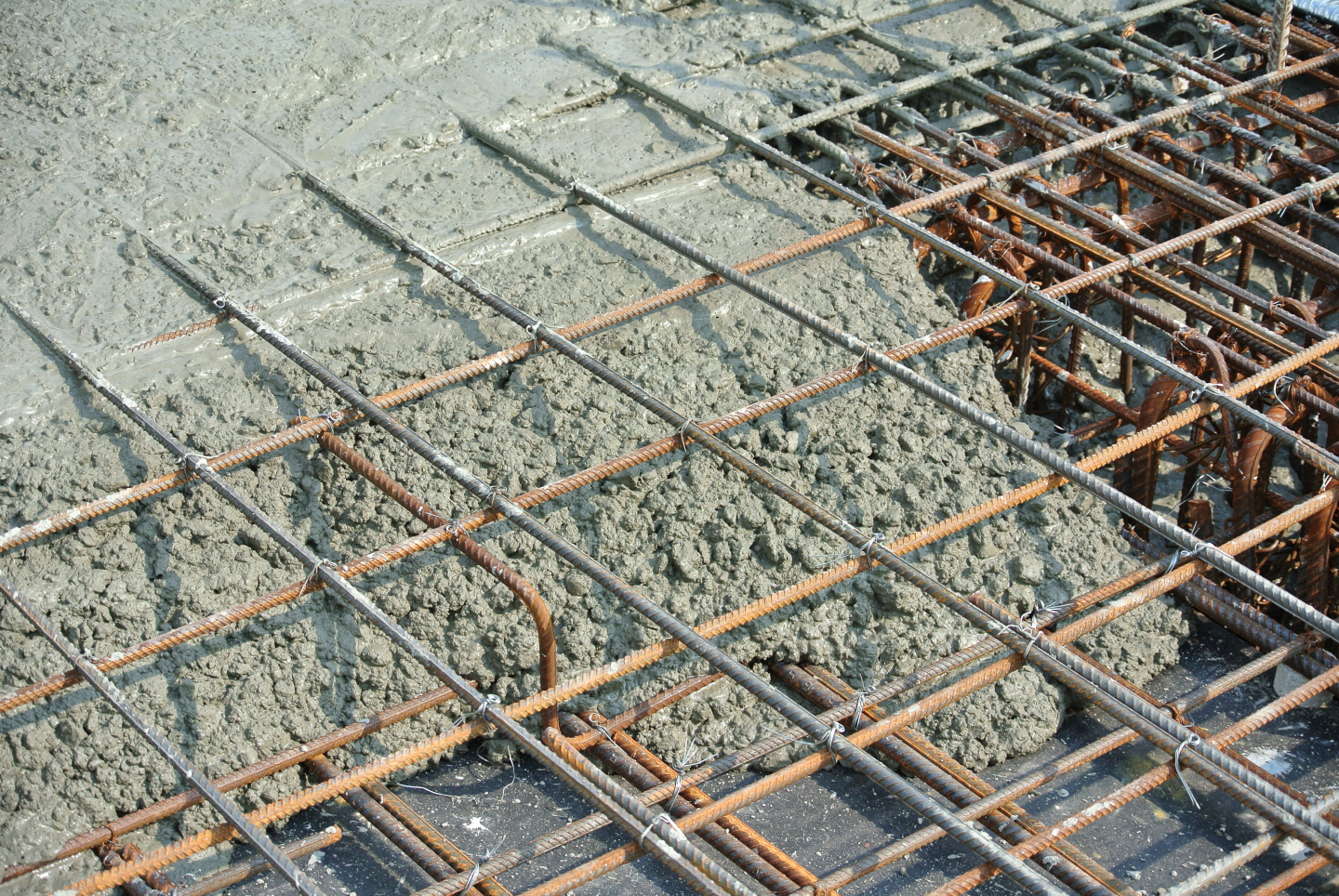
One of the world’s most common building materials is reinforced concrete (RC). Embed steel bars into concrete and you have reinforced concrete, a highly reliable construction material that combines the best elements of both materials. However, if a gardener's pot hadn't broken, reinforced concrete might not have been developed, yet it is indispensable in contemporary construction. For more details, refer to “Secrets of Reinforcement | How to design reinforced concrete.”
1885 The first metal-framed building and first Skyscraper | William Le Baron Jenney
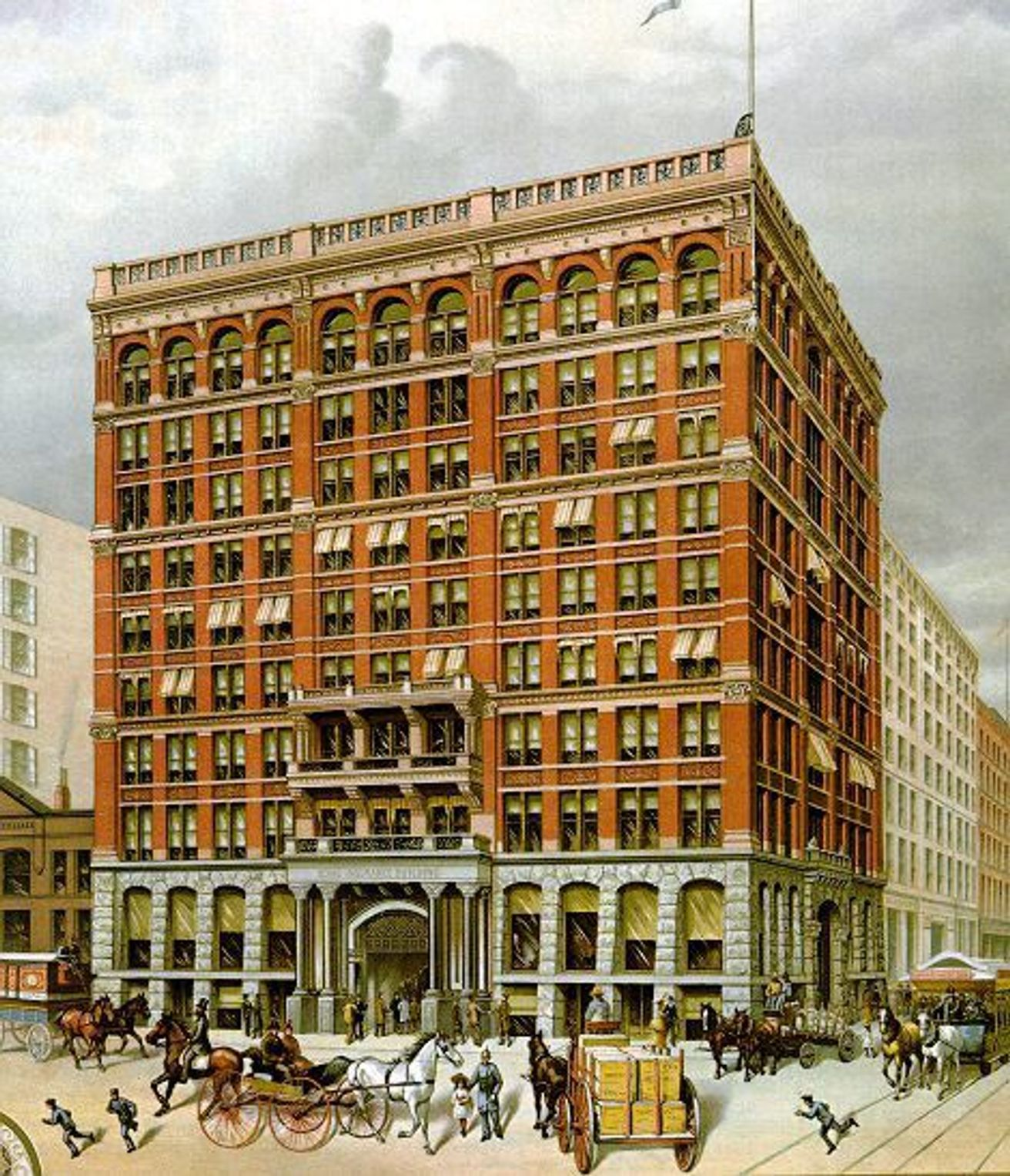 Home Insurance Building, the first metal-framed building and first skyscraper
William Le Baron Jenney, regarded as "the father of the American skyscraper," built the Home Insurance Building in Chicago – the first metal-framed building and first skyscraper in the world to bear the weight of a building’s exterior walls. Before Jenney’s structural engineering innovation, masonry exterior walls were load bearing. The modern skyscraper became possible by his work.
1889 Eiffel Tower | Gustave Eiffel and Maurice Koechlin
 Eiffel Tower
Paris's Eiffel Tower is a lattice tower made of wrought iron. The tower is around the height of an 81-story building at 320 m (1,050 ft). During its construction, it rose to become the highest man-made structure in the world.
The post on the history of structural engineering in the 20th Century will be uploaded soon.
References
1797 The Ditherington Flax Mill | Charles Bage
1804 Strutt’s North Mill
Strutts North Mill Belper - World Heritage Site Built 1804
1835 The First U.S. Civil Engineering degree | Rensselaer School/University
Civil Engineering Education History (1741 to 1893) ASCE Library
1867 Reinforced Concrete | Joseph Monier
Secrets of Reinforcement | How to design reinforced concrete
1885 The first metal-framed building and first Skyscraper | William Le Baron Jenney
Britannica - William Le Baron Jenney
Architectuul - Home Insurnace Building
Topics
#StructuralEngineering
#CivilEngineering
#Infrastructure
#Getmotivated
/Jegeon%20240_240.png)
Hello, I am Jegeon Ryu, a Project Manager responsible for developing MOTIVE for engineers dedicated to creating a safer and better world. During my two years of military service, I learned that creating a safer world is achievable through the sharing of technology and motivating each other. My goal is to contribute to the happiness of the world by creating a global platform that facilitates mutual knowledge sharing and growth.
Profile: Jegeon Ryu
※ Click on the keywords below 'Topics' to view related content.