Would you like to sign out?

Select Country

  • Afghanistan English
  • Albania English
  • Algeria English
  • American Samoa English
  • Andorra English
  • Angola English
  • Anguilla English
  • Antarctica English
  • Antigua and Barbuda English
  • Argentina Español
  • Armenia English
  • Aruba English
  • Australia English
  • Austria English
  • Azerbaijan English
  • Bahamas English
  • Bahrain English
  • Bangladesh English
  • Barbados English
  • Belarus English
  • Belgium English
  • Belize English
  • Benin English
  • Bermuda English
  • Bhutan English
  • Bolivia Español
  • Bosnia and Herzegovina English
  • Botswana English
  • Bouvet Island English
  • Brazil Español
  • British Indian Ocean Territory English
  • British Virgin Islands English
  • Brunei English
  • Bulgaria English
  • Burkina Faso English
  • Burundi English
  • Cambodia English
  • Cameroon English
  • Canada English
  • Cape Verde English
  • Caribbean Netherlands English
  • Cayman Islands English
  • Central African Republic English
  • Chad English
  • Chile Español
  • Christmas Island English
  • Cocos (Keeling) Islands English
  • Colombia Español
  • Comoros English
  • Congo English
  • Cook Islands English
  • Costa Rica Español
  • Côte d’Ivoire English
  • Croatia English
  • Cuba Español
  • Curaçao English
  • Cyprus English
  • Czech Republic English
  • Democratic Republic of the Congo English
  • Denmark English
  • Djibouti English
  • Dominica English
  • Dominican Republic Español
  • Ecuador Español
  • Egypt English
  • El Salvador Español
  • Equatorial Guinea English
  • Eritrea English
  • Estonia English
  • Ethiopia English
  • Falkland Islands English
  • Faroe Islands English
  • Fiji English
  • Finland English
  • France English
  • French Guiana Español
  • French Polynesia English
  • French Southern Territories English
  • Gabon English
  • Gambia English
  • Georgia English
  • Germany English
  • Ghana English
  • Gibraltar English
  • Greece English
  • Greenland English
  • Grenada English
  • Guadeloupe Español
  • Guam English
  • Guatemala Español
  • Guernsey English
  • Guinea English
  • Guinea-Bissau English
  • Guyana English
  • Haiti Español
  • Heard Island and McDonald Islands English
  • Honduras Español
  • Hong Kong English
  • Hungary English
  • Iceland English
  • India English
  • Indonesia English
  • Iran English
  • Iraq English
  • Ireland English
  • Isle of Man English
  • Israel English
  • Italy English
  • Jamaica English
  • Japan 日本語
  • Jersey English
  • Jordan English
  • Kazakhstan English
  • Kenya English
  • Kiribati English
  • South Korea 한국어
  • Kuwait English
  • Kyrgyzstan English
  • Laos English
  • Latvia English
  • Lebanon English
  • Lesotho English
  • Liberia English
  • Libya English
  • Liechtenstein English
  • Lithuania English
  • Luxembourg English
  • Macau English
  • Madagascar English
  • Malawi English
  • Malaysia English
  • Maldives English
  • Mali English
  • Malta English
  • Marshall Islands English
  • Martinique Español
  • Mauritania English
  • Mauritius English
  • Mayotte English
  • Mexico Español
  • Micronesia English
  • Moldova English
  • Monaco English
  • Mongolia English
  • Montenegro English
  • Montserrat English
  • Morocco English
  • Mozambique English
  • Myanmar English
  • Namibia English
  • Nauru English
  • Nepal English
  • Netherlands English
  • New Caledonia English
  • New Zealand English
  • Nicaragua Español
  • Niger English
  • Nigeria English
  • Niue English
  • Norfolk Island English
  • Northern Mariana Islands English
  • Norway English
  • Oman English
  • Pakistan English
  • Palau English
  • Palestine English
  • Panama Español
  • Papua New Guinea English
  • Paraguay Español
  • Peru Español
  • Philippines English
  • Pitcairn Islands English
  • Poland English
  • Portugal Español
  • Puerto Rico Español
  • Qatar English
  • Réunion English
  • Romania English
  • Russia English
  • Rwanda English
  • Saint Barthélemy Español
  • Saint Helena English
  • Saint Kitts and Nevis English
  • Saint Lucia English
  • Saint Martin Español
  • Saint Pierre and Miquelon English
  • Saint Vincent and the Grenadines English
  • Samoa English
  • San Marino English
  • Sao Tome and Principe English
  • Saudi Arabia English
  • Senegal English
  • Serbia English
  • Seychelles English
  • Sierra Leone English
  • Singapore English
  • Sint Maarten English
  • Slovakia English
  • Slovenia English
  • Solomon Islands English
  • Somalia English
  • South Africa English
  • South Georgia English
  • South Sudan English
  • Spain Español
  • Sri Lanka English
  • Sudan English
  • Suriname English
  • Svalbard and Jan Mayen English
  • Eswatini English
  • Sweden English
  • Switzerland English
  • Syria English
  • Taiwan English
  • Tajikistan English
  • Tanzania English
  • Thailand English
  • Togo English
  • Tokelau English
  • Tonga English
  • Trinidad and Tobago English
  • Tunisia English
  • Turkey English
  • Turkmenistan English
  • Turks and Caicos Islands English
  • Tuvalu English
  • U.S. Virgin Islands English
  • Uganda English
  • Ukraine English
  • United Arab Emirates English
  • United Kingdom English
  • United States of America English
  • U.S. Minor Outlying Islands English
  • Uruguay Español
  • Uzbekistan English
  • Vanuatu English
  • Vatican City English
  • Venezuela Español
  • Vietnam English
  • Wallis and Futuna English
  • Western Sahara English
  • Yemen English
  • Zambia English
  • Zimbabwe English
  • Åland Islands English
  • East Timor English
  • Netherlands Antilles English
  • Serbia and Montenegro English
  • North Macedonia English
  • Timor-Leste English
Structure

Secrets of Reinforcement | How to design reinforced concrete

Table of Contents Click the table of contents for details.

Intro


Concrete is the predominant building material in modern architecture. The oldest concrete discovered was in the floor of a hut in Israel, dated around 7000BC. Concrete has been used for centuries. However, due to its weakness in tension, reinforced concrete with steel bars is widely used today. Did you know that this reinforced concrete was born from a broken flowerpot?

*This post is based on a video created by Tyler Ley, a professor with over 20 years of engineering experience.


Inventing Unbreakable Flowerpots: Joseph Monier's Concrete Innovation


French gardener Joseph Monier developed reinforced concrete in 1867. He was frustrated with his clay flowerpots constantly breaking. To prevent the pots from easily shattering, he reinforced them with wire mesh and concrete to enhance their strength. While the pots still broke occasionally, the cracks were much smaller than before. The addition of steel reinforcement helped supplement the weakness in tension of concrete, reducing the occurrence of cracks.
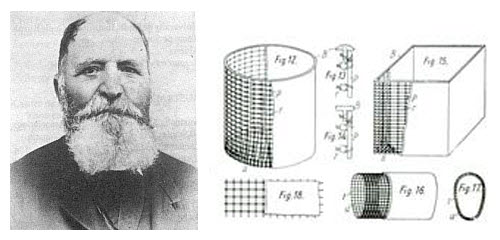
 

Joseph Monier and patent for Reinforced ConcreteJoseph Monier (1823-1906) and patent for Reinforced Concrete


Where reinforcement is needed?


We need to reinforce where cracks occur. So, where do cracks typically form?

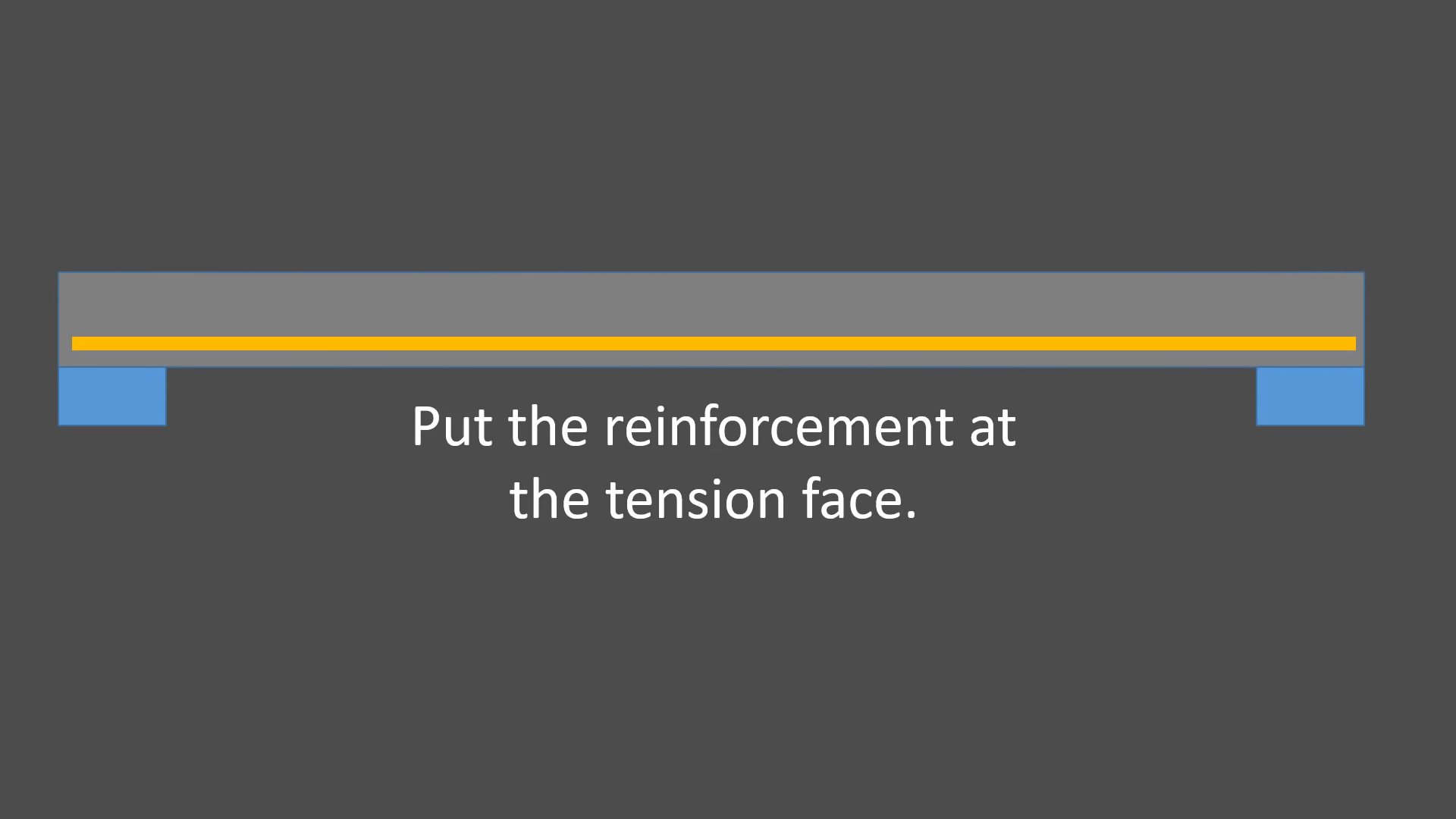
The answer lies in areas where concrete is trying to get longer. This is called tension. When bending occurs due to a load, as in the example of the beam below, the top part tends to shorten while the bottom’s gonna be getting longer. Therefore, reinforcement with steel bars is done at the bottom.
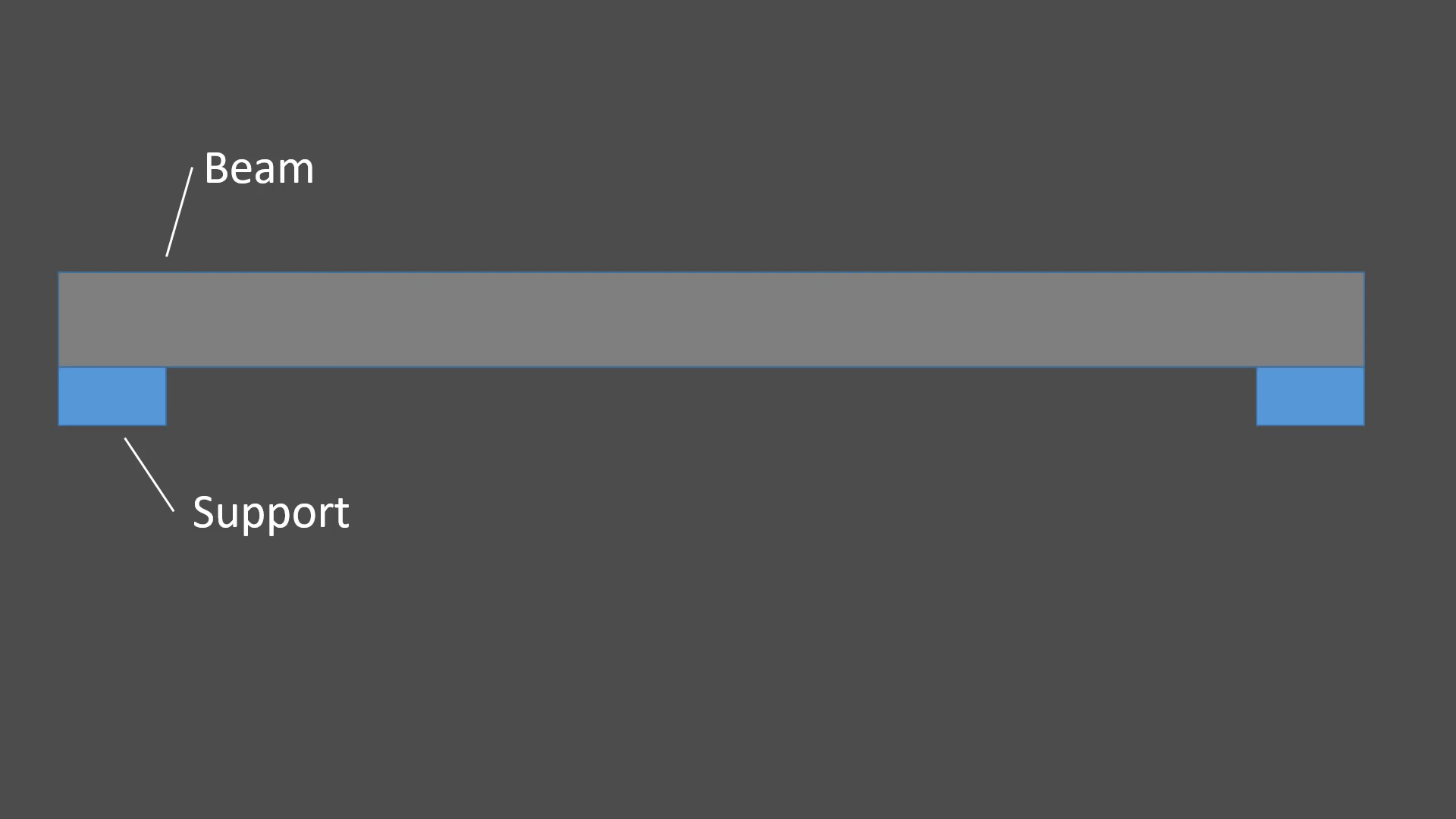
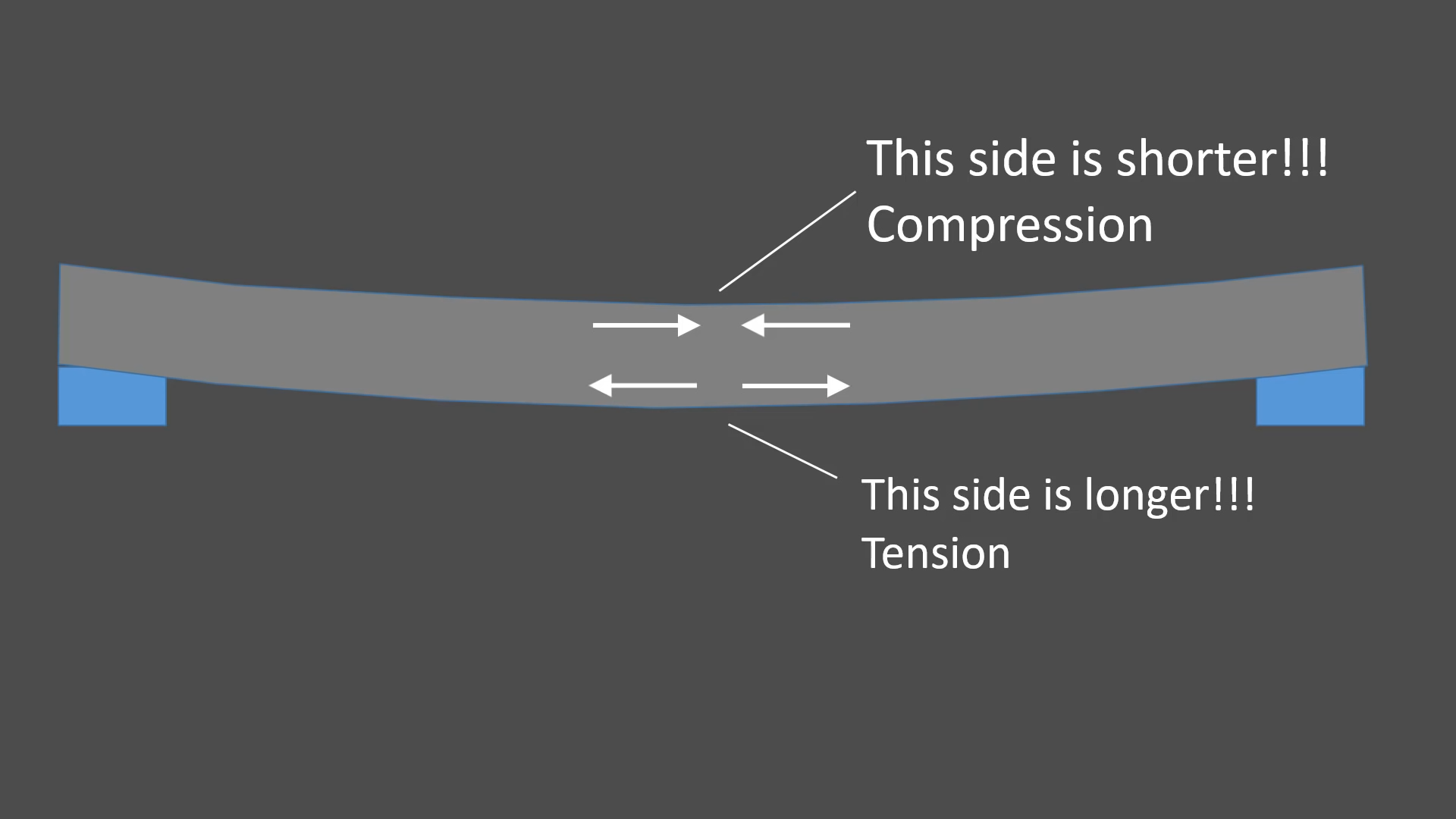
 

Example reinforced concreteTop Compression Bottom TensionTop - Compression / Bottom - Tension


Put the reinforcement at the tension facePut the reinforcement at the tension face.


Ideally, it would be great to have steel reinforcement placed very close to the surface. However, we have to be careful not to place them too close because it can lead to corrosion.


How much reinforcement is needed?


Though there is reinforcement inside the concrete, those cracks they still form but they become smaller. The size of cracks should be ideally less than 0.04 inches according to ACI 350 standards. (ACI 350 = American Concrete Institute's standards for the design of concrete structures)"


Example 1 : Cantilever


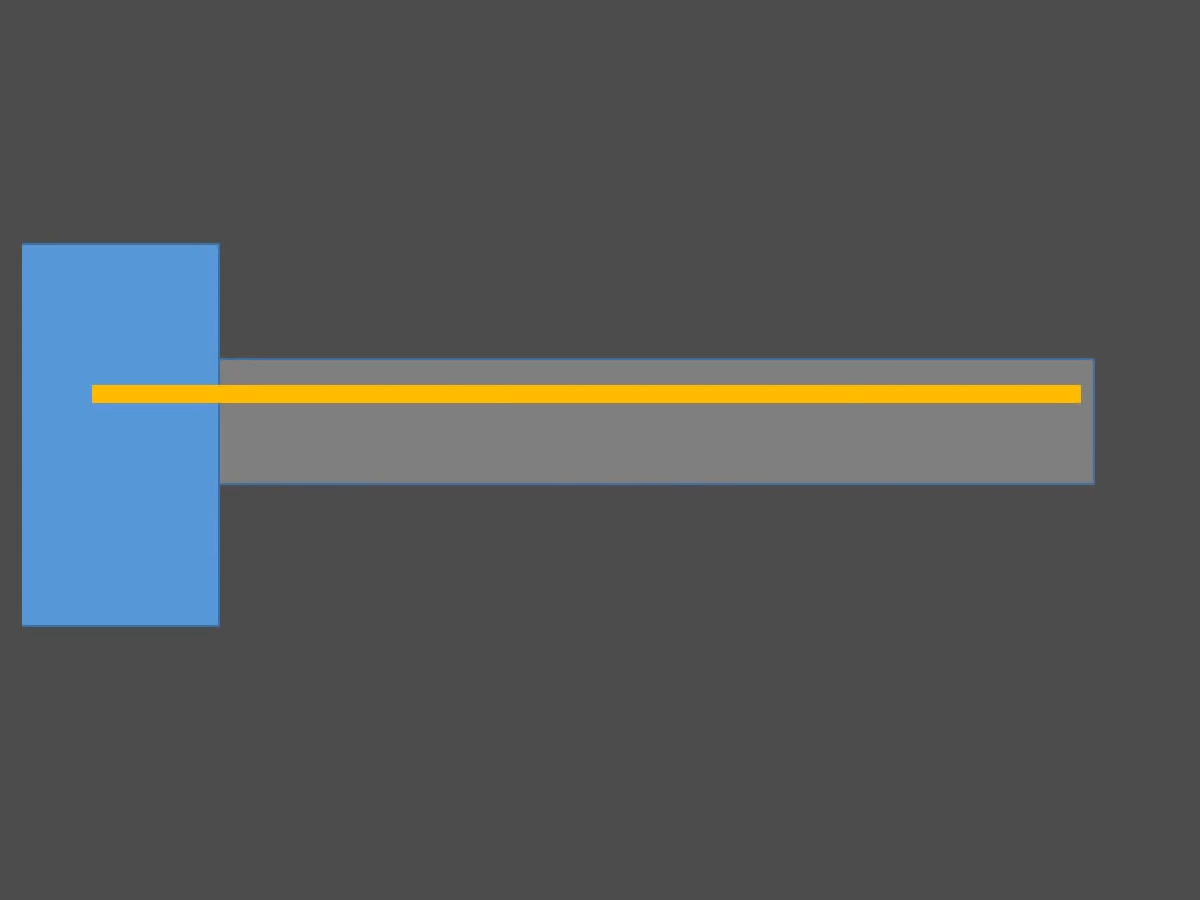
Where should you reinforce a cantilever? Consider how concrete will move. Since tension occur at the top, you should reinforce the top, not the bottom.
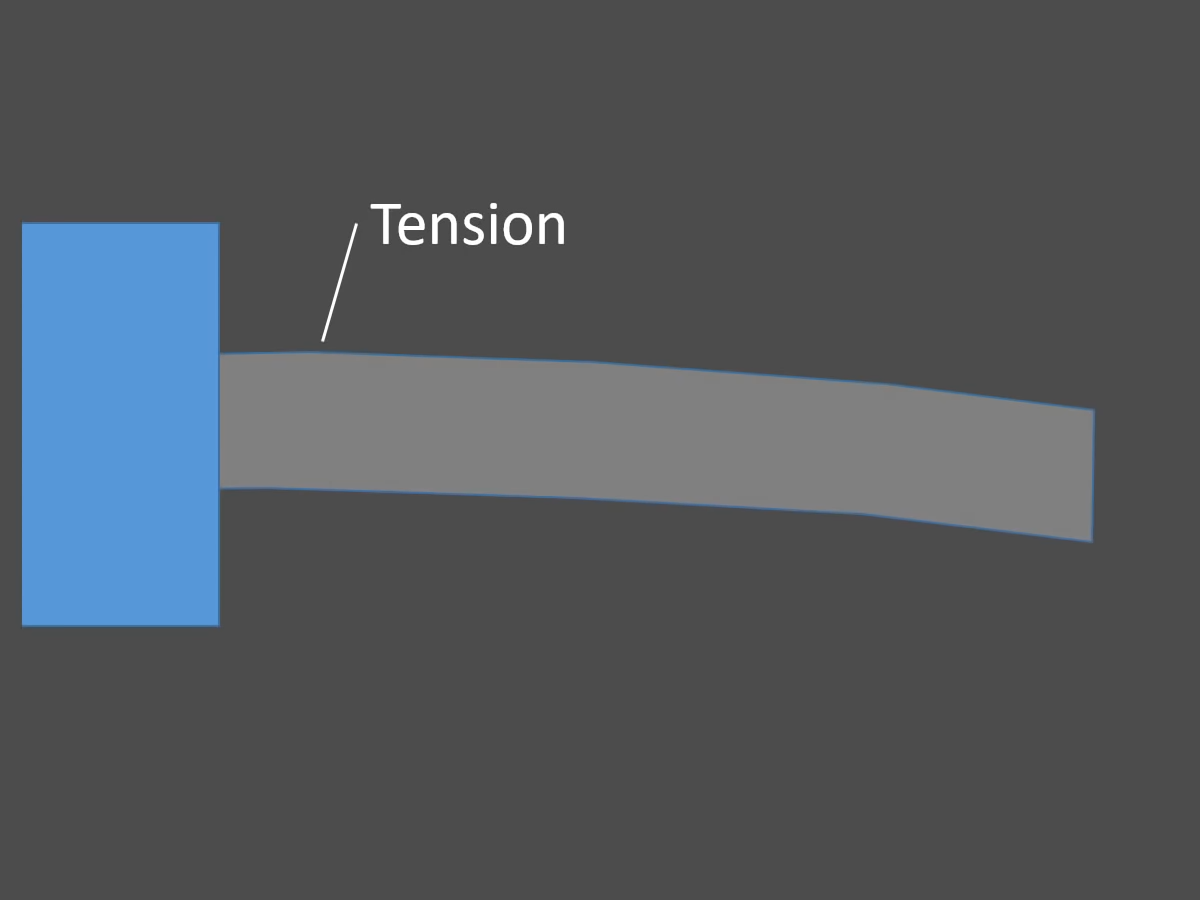
 

Tension occurs at the topTension occurs at the top


Reinforcement at the top where tension occursReinforcement at the top where tension occurs


Example 2 : Mixed


Then, where should the beam like the one below be reinforced?
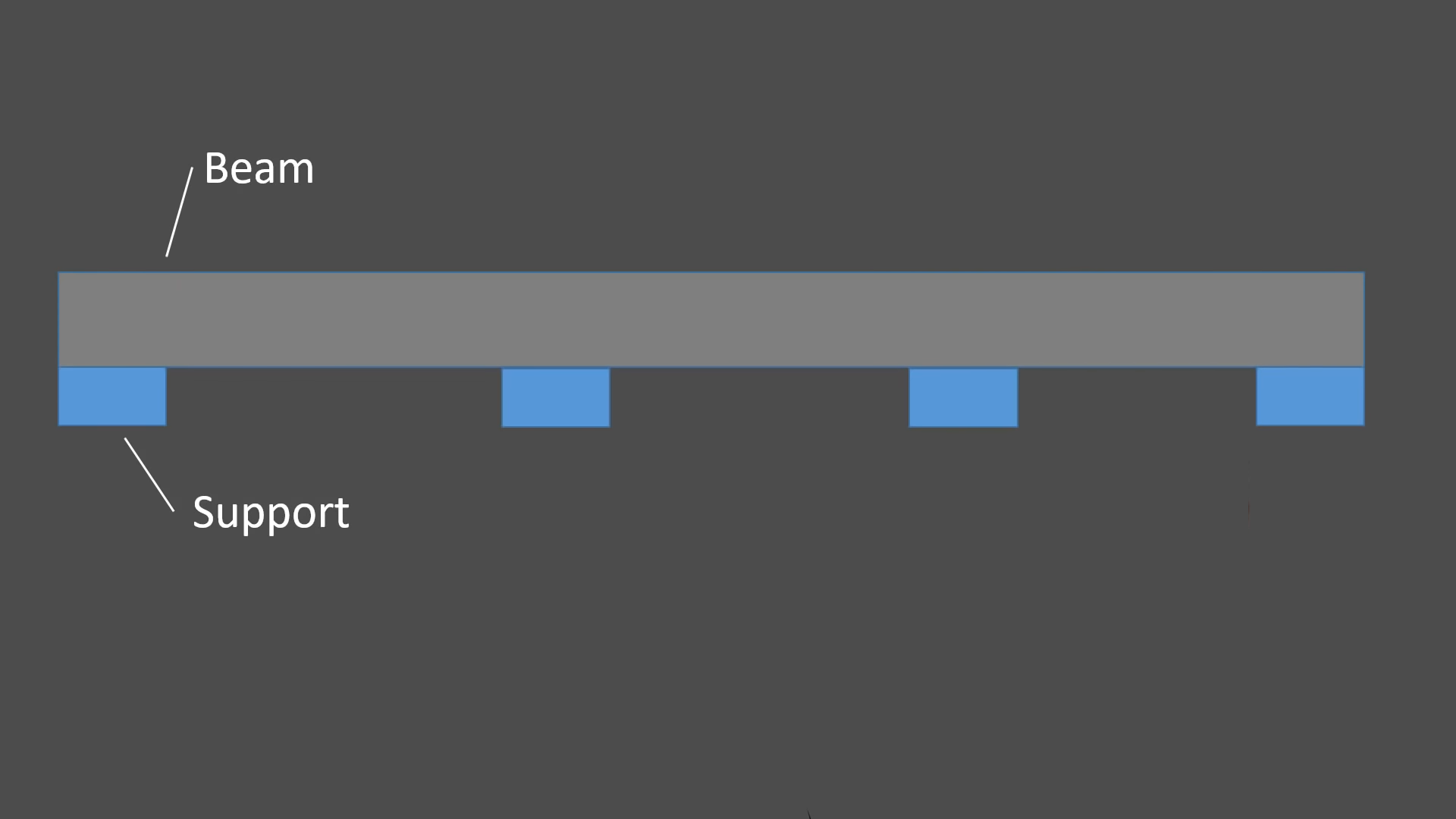
 

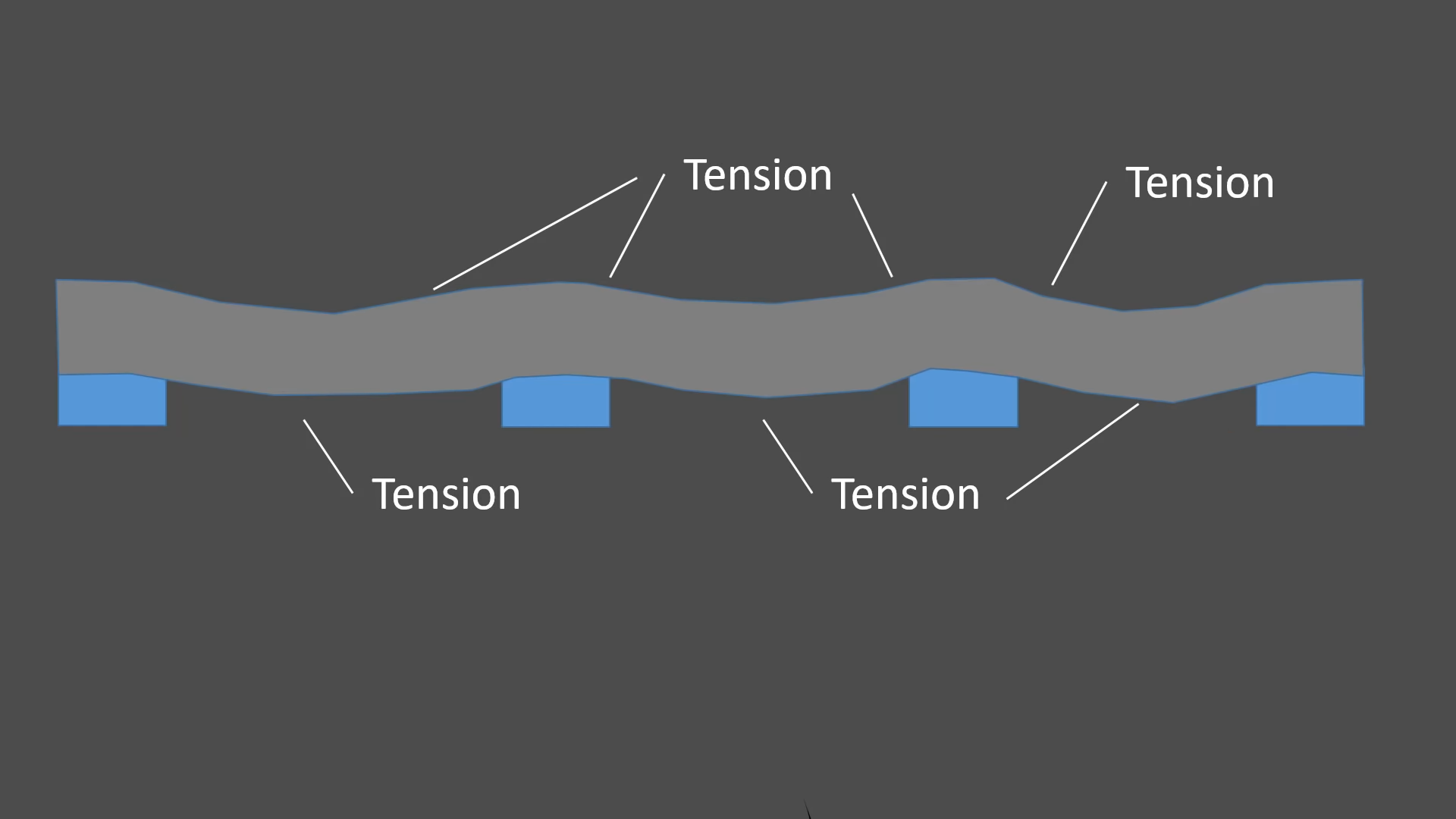
Example Mixed 1Example Mixed 2


Always where tension occurs. 


Conclusion


In summary, concrete is prone to cracking due to its weakness in tension, and reinforcing with rebar at the locations where tension occurs can minimize cracks. The location of tension varies depending on the structure's form. Current skyscrapers and bridges built with reinforced concrete might have been constructed much later if Joseph Monier, who wanted to strengthen flowerpots, didn't exist.


For more detailed explanations and examples, check out Tyler Ley's original YouTube video, which is the motive of this post, by clicking this link : 


The world needs your ideas and inspiration. MOTIVE is building a platform that inspires and grows engineers through knowledge sharing. If you want to share an idea that inspires someone and contributes to creating a better world, become a MOTIVATOR. You might be the next Joseph Monier.


References


Tyler Ley's original video : 

History of Concrete - The Irish Concrete Society
Amusing Planet - François Coignet’s Reinforced Concrete House


About the MOTIVATOR
Tyler Ley, Ph.D., P.E.
Professor Oklahoma State University

I have​ more than 20 years of experience in the fields of structural and concrete materials engineering.  During this time I have worked as an engineer with a design consultant, construction contractor, government agency, and as a professor.  This practical experience has made me a better teacher and researcher.


I am very active in the American Concrete Institute where I am a voting member of the Concrete Durability, Material Science, Concrete Proportioning, and Sustainability Technical committees. In addition, I serve on the executive committee of the National Concrete Consortium, a group made up of DOT engineers from 35 different states. I also served as the president of the American Ceramics Society Cements Division in 2016. I have a passion for creating innovative learning content.


My websites are visited by over 50,000 people per year, visit my website and youtube. (👈click)


 ※ If you click on the keywords below "Topics," you can view related contents.

Subscribe to Newsletter

Catch the weekly engineer news!

What you may
also like