Fill out the form to keep watching

Having trouble viewing the video?
Some regions or networks may restrict Vimeo playback.
In this session, we will explore sections of the code that apply to storage racks, silos, and tanks, along with pipelines and non-structural components. We will identify where the code relies on simplifying assumptions, understand the conditions under which those assumptions may break down, and learn what to scrutinize so you can achieve a robust, safe design even when the code provides limited explicit direction.
Your submission has been
successfully received
If you meet the certification criteria,
Your Certificate of Completion will be sent to your email.
If you need urgent support, contact us via
here.
We truly appreciate your participation!

Open Access Has Ended
The open access period has ended.
If you have a MIDAS account, sign in
and complete the access form to watch this session.
Full access is one step away 👀
Complete a short form to continue
Benefit

→ Will receive email by submitting survey

→ Will receive email by submitting survey
Speaker
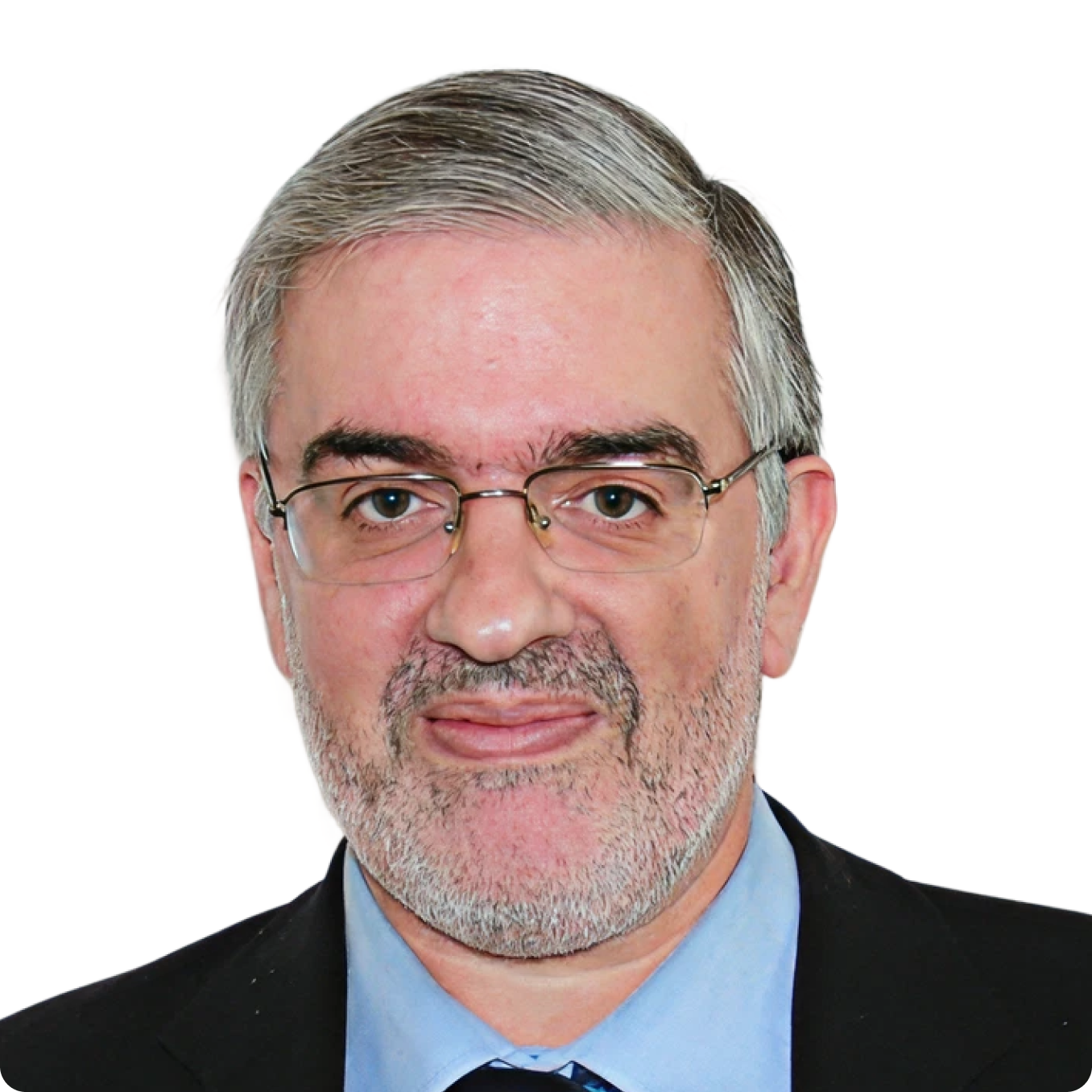
Dr. Vamvatsikos is working on the performance and risk assessment of structures subject to natural and man-made hazards. He has co-operated with leading structural engineering firms, the oil industry, catastrophe risk modelers, and the insurance/reinsurance industry, and has co-authored guidelines for the Applied Technology Council, FEMA, the US National Institute of Standards and Technology, and the Global Earthquake Model Foundation.