Innovation · AtkinsRéalis
Felix Fernaldy, an Engineer at AtkinsRéalis in Hong Kong, shares the story of learning to think innovatively and to challenge assumptions. The lesson he draws from it, that innovation does not always begin with a major breakthrough but often starts by improving one small task and then building that idea into a better engineering system, is worth reading.
In Felix Fernaldy's own words.
"The best engineering solutions come from understanding the bigger picture and balancing technical, operational, and stakeholder needs."
I have learned to look beyond individual components and consider how different disciplines interact. Curious by nature, practical by design.
Starting with the task that kept repeating
Throughout my career, I have learned that design is rarely static. Requirements evolve, site constraints emerge, and client expectations change. Even a minor design change can trigger significant downstream work, requiring updates to analytical models, calculations, reports, drawings, and submissions, often within very tight deadlines.
After experiencing this repeatedly, I began looking for ways to improve the workflow rather than simply repeating the same manual tasks.
One example was adopting MIDAS Civil's Dynamic Report function. Previously, every model revision required manually re-extracting results, recapturing screenshots, and updating calculation reports. As design iterations increased, this became increasingly time-consuming and prone to inconsistencies.
By using Dynamic Reports, outputs could be refreshed directly from the updated model, greatly reducing the amount of repetitive work required for each revision. This not only improved efficiency but also helped maintain consistency between analysis results and project documentation.
From one report to a whole workflow
The experience encouraged me to explore further workflow improvements, including the use of plugins and VBA tools to automate tasks such as load input and tendon arrangement. From there, I began developing reusable templates and parameter-driven workflows to test different structural forms, span arrangements, segment depths and tendon layouts. This allowed me to spend less time rebuilding models and more time understanding behaviour, comparing options and making sound engineering decisions.
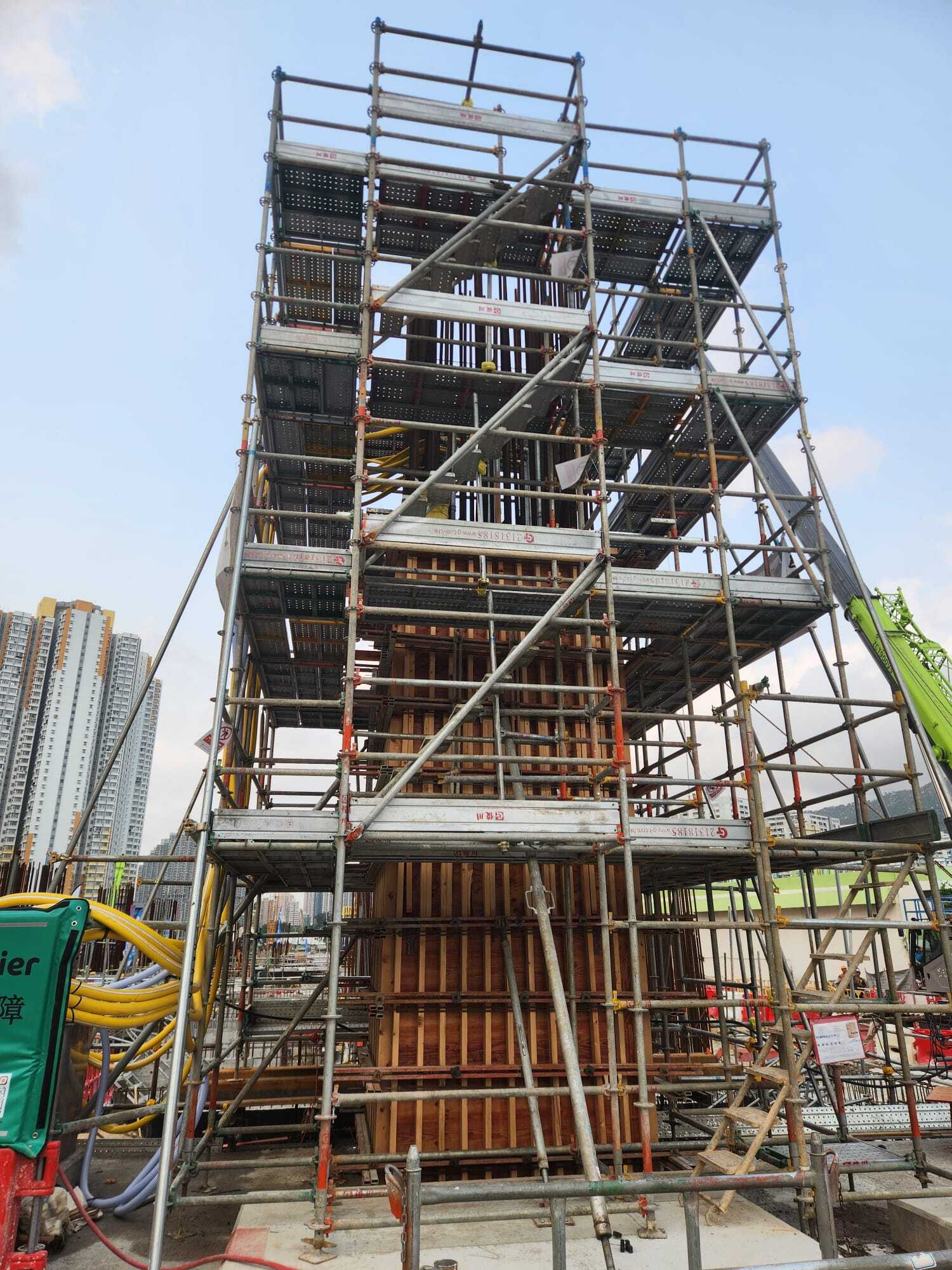
Q. You have modelled construction stages for a marine viaduct and heat of hydration in a C80 column. What connects those two?
Both made me look beyond the final structure and consider how it would actually be constructed. I learned to use technology as a bridge between design complexity and buildability. 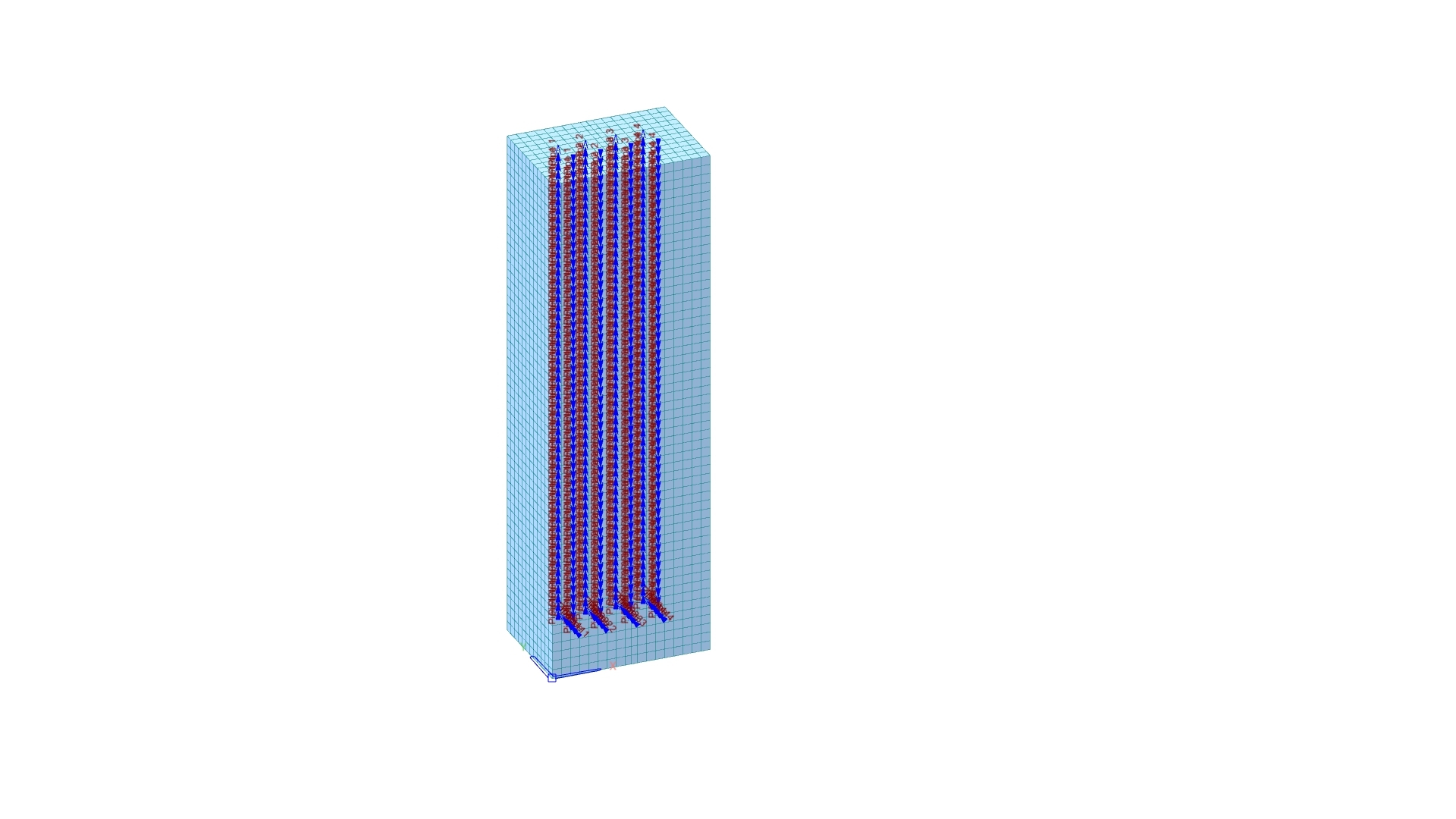
Less willing to accept the usual way
Having used MIDAS throughout my career, I have become less willing to accept repetitive work or conventional workflows simply because "that is how it has always been done." When I first used it, my focus was straightforward: build the model, run the analysis and verify the design. Over time, I watched it continue to evolve, and that ambition to keep improving has strongly influenced how I approach engineering problems.
Felix Fernaldy's workflow began with one calculation report that no longer had to be rebuilt by hand, and grew into parameter-driven tools for comparing span arrangements, segment depths and tendon layouts.
If you look at your own projects or workflow the way he looked at that report, a routine step may turn out to be a starting point too.