Expertise · WSP
Jonathon Luke Fox is a senior engineer at WSP in the UK.
A Category 3 check on a construction stage model with more than 390 stages is, a data entry problem. The account below is about turning it back into an engineering problem.
In Jonathon Luke Fox's own words.
"I make a habit of validating complex models by breaking them back down into simpler forms, whether that is a hand calculation, a simplified structural model, or a basic engineering check."
No matter how advanced the software or analysis method, I believe an engineer should always understand the behaviour behind the result. If a result cannot be explained by fundamental engineering principles, I keep investigating until it can.
I am the type of engineer who always wants to understand the "why" behind a result, not just the result itself. Rather than simply accepting outputs, I enjoy exploring the underlying theory, questioning assumptions, and understanding the engineering principles behind the results.
More than 390 individual construction stages
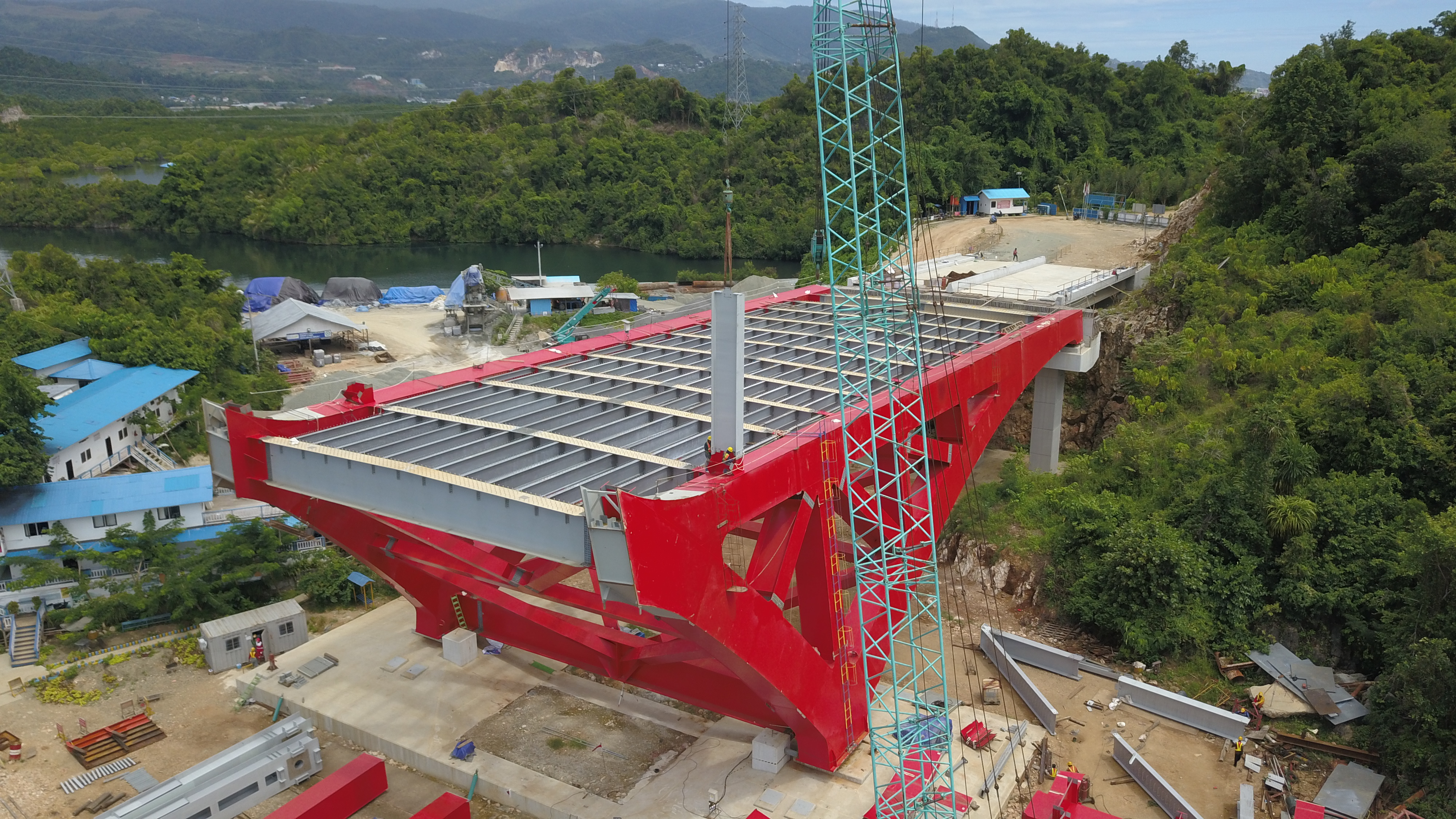
During a Category 3 check, I was responsible for developing and interrogating a MIDAS Civil NX construction stage model containing more than 390 individual construction stages. Creating and managing such a large number of stages manually would have been extremely time-consuming and would have increased the risk of modelling errors.
Weeks rather than months
By developing a workflow that combined Excel with MIDAS MCT commands, I was able to automate a significant proportion of the modelling process, including the assignment of boundary conditions, construction stage activations, loads, elastic links, rigid links, and other model modifications throughout the construction sequence.
This allowed the construction stage model to be developed in a matter of weeks rather than months, whilst improving consistency and reducing the potential for human error. More importantly, it enabled additional time to be focused on validating results, challenging assumptions, and ensuring the model accurately represented the bridge's construction methodology and structural behaviour.
By reducing the time spent on repetitive modelling tasks, I was able to focus on understanding the structural behaviour, verifying the results against engineering principles, and ensuring the analysis provided a reliable basis for the independent check.
Q. You build a simplified model alongside the detailed one. What does the comparison give you?
As I began developing increasingly complex models, from detailed construction stage analyses to finite element models, I realised that the real value of the software was not in producing answers quickly, but in helping me better understand how structures behave. MIDAS gave me the ability to investigate problems from multiple angles and challenge my own assumptions. One of the biggest lessons MIDAS has reinforced throughout my career is that understanding the behaviour of a structure is more important than simply obtaining a result.
An engineer who keeps asking why a result comes out as it does ends up understanding the structure more deeply each time. That habit is what engineering skill is built on, and this account shows it at work on a real Category 3 check.