Contribution · VIURE Ingeniería Civil SAS
Jorge Alexánder Niño Castaño is owner and structural designer at VIURE Ingeniería Civil and teaches structural computing at postgraduate level at Universidad Nacional de Colombia. His research on seismic base isolation changed what engineers in a highly seismic region can ask of a building in an earthquake.
In Jorge Alexánder Niño Castaño's own words.
"The synergy between robust technology and engineering fundamentals: I rely on the proven accuracy of advanced platforms like MIDAS for real-world projects, while continually using them as powerful tools for academic research and professional learning."
For me, technology and engineering fundamentals only work when they work together. Every finite-element model I build is checked against structural dynamics and first principles, so nothing rests on guesswork or on an output nobody has verified.
I hold to technical truth, professional ethics and the codes we design under, such as NSR-10, ACI and AISC, and I explain complex analysis to curadurías (Colombian building permit and urban planning authorities), audit teams and clients clearly, without ever diluting structural safety or legal responsibility.
And because a design has to be built, I aim for steel and concrete systems that are rigorous and robust, yet straightforward to fabricate, detail and build safely on site. Reliable software makes all of this possible, as long as strict engineering judgment stays in charge of it.
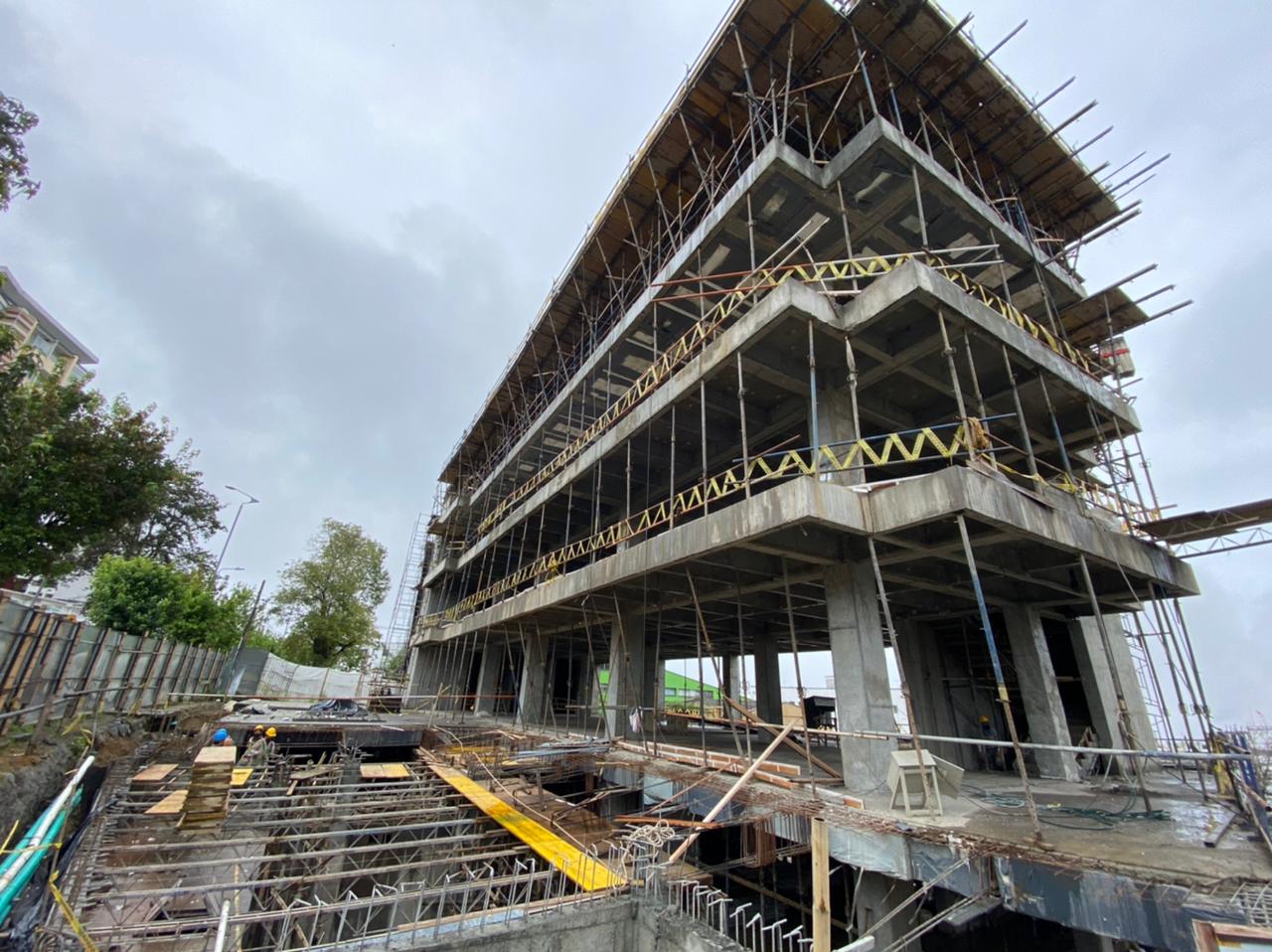
Designing to prevent damage, not tolerate it
For years, traditional seismic design in our region relied heavily on structural ductility, accepting that a building would sustain controlled damage to dissipate energy during a severe earthquake. During my Master's research on seismic base isolation for limited-ductility reinforced concrete shear wall buildings,
I ran my first advanced non-linear time-history analysis on a base-isolated concrete wall model in MIDAS.
As the solver completed its iterations, I could see and numerically confirm a dramatic reduction in base shear, story drifts and overall structural acceleration. It proved, mathematically and visually, that we could shift our design approach from merely "tolerating damage" to actively "preventing damage" and minimizing construction risks.
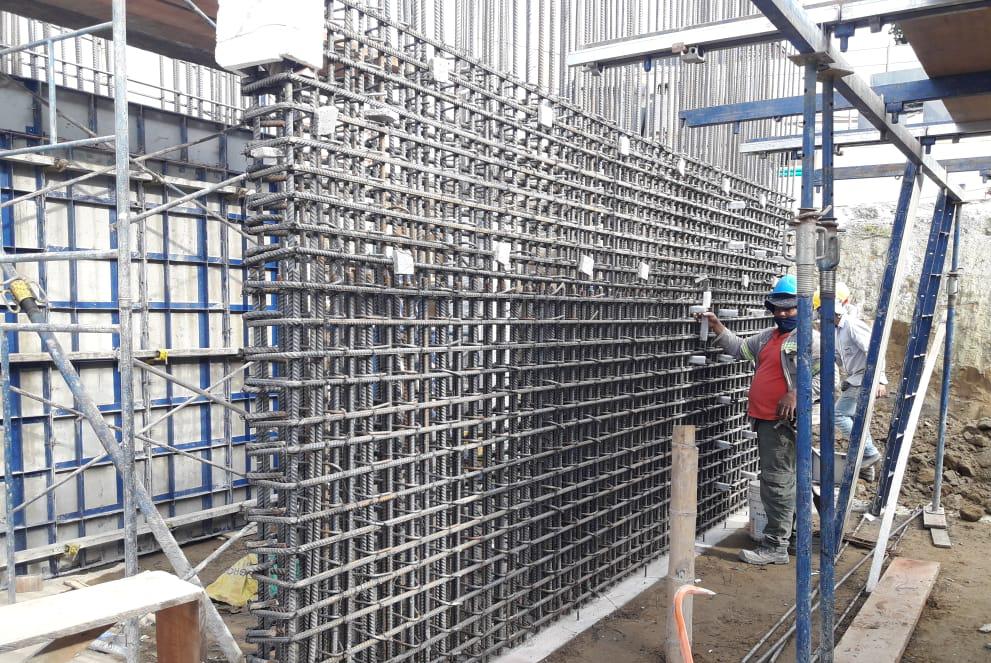
Helping engineers understand their results,not just accept them
That result gave me the computational confidence to champion base isolation, in my publications, including at WCEE 2024 in Milan, and in my teaching at Universidad Nacional de Colombia, where I lead the Structural Applications in Computer Science module and lecture on reinforced concrete seismic design.
The challenge I see most often is the step from theory to complex software modelling, so I teach engineers to check every output against fundamental physics, manual verification and physical equilibrium. When they understand the mechanics underneath the software, they stop guessing and start designing with confidence. Watching a young engineer move from blindly accepting automated results to critically evaluating them is, for me, the clearest mark of professional growth.
Beyond the classroom, I have shared these methods with practising engineers through technical symposiums and courses, including those for the AIE and Universidad del Valle. Showing how reliable simulation validates solutions like seismic base isolation has helped regional firms use these tools not just for drafting, but to upgrade their capacity to design resilient, safe infrastructure in highly seismic zones.
Jorge Alexánder Niño Castaño's research changed what engineers in the region can ask of a building in an earthquake, and the teaching makes sure the next generation can check that answer for themselves. The students and practising engineers learning from that work will carry it into the next base-isolated designs, checking every result against first principles as they go.