Daniel Mariscal in the United States, Le Dang Khoa in Vietnam, Maciej Rojewski in the United Kingdom and Sung Yu-Chi in Taiwan have each spent part of their careers helping other engineers grow. This story is about what each of them chooses to pass on.
In their own words.
01
Daniel Mariscal
Structural Discipline Specialist · Jacobs · United States
"In the analysis and design of bridges or any other structure, the people are entrusting upon us their lives and safety."
I am a man in love with structural engineering and as such, I am passionate about my work and it becomes my hobby.
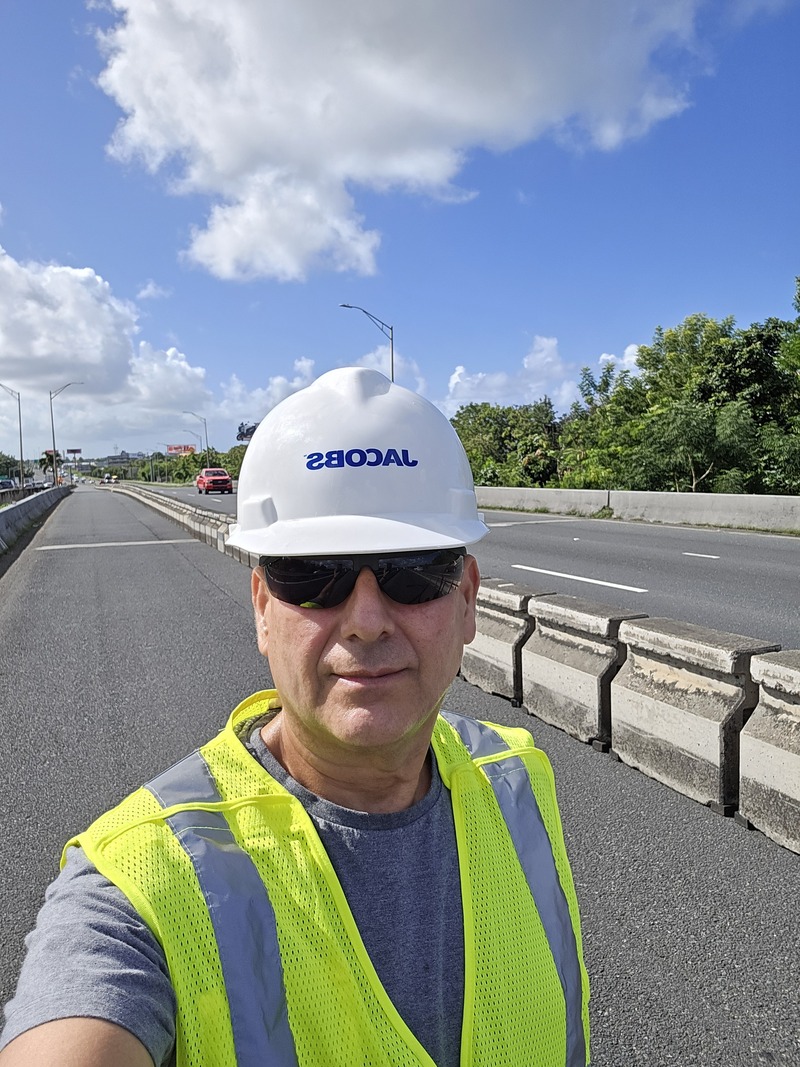
Upholding the trust people place in engineers
We as design engineers must uphold that trust utilizing precision, knowledge and understanding of engineering concepts to the fullest extents. I have over 35 years of experience in structural engineering and I have always been keen on sharing my knowledge and teaching young engineers my trade. I believe in passing along the torch of engineering so that we can have good reliable engineers in the future.
02
Le Dang Khoa
CEO · Pontech Joint Stock Company · Vietnam
"Developing good engineers is just as important as delivering good engineering."
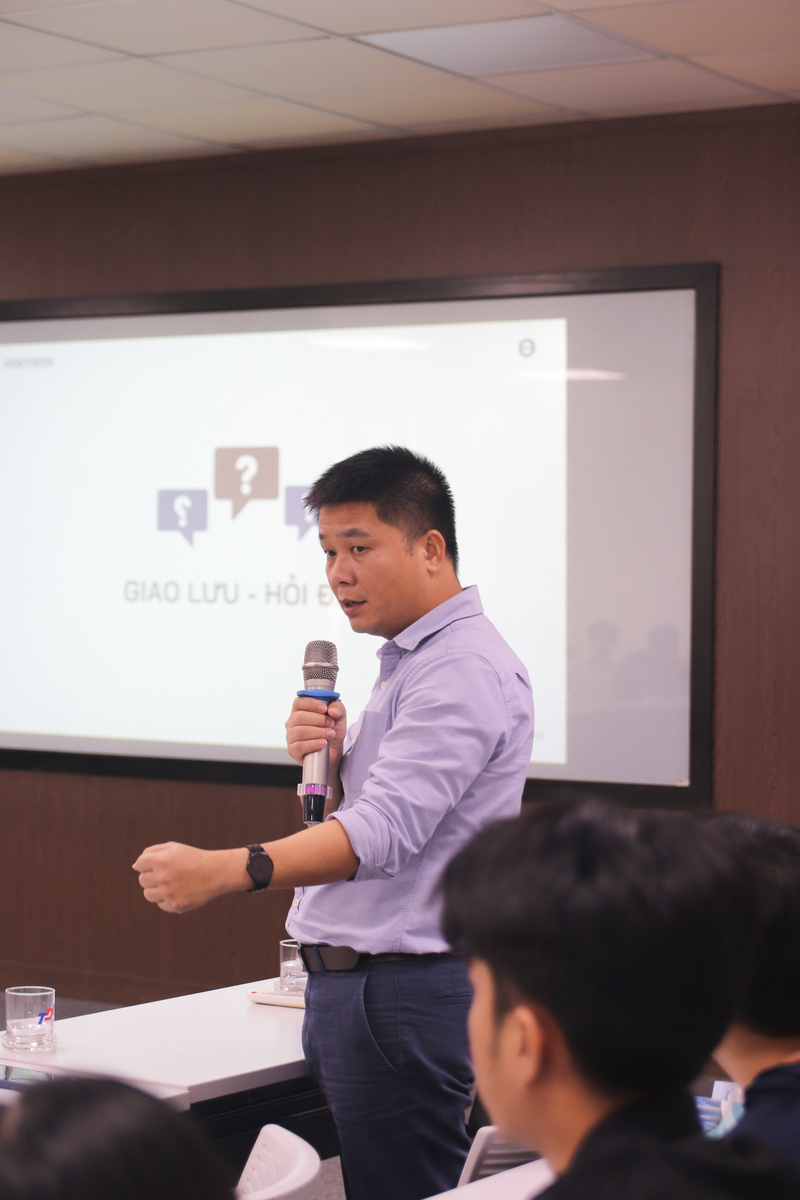
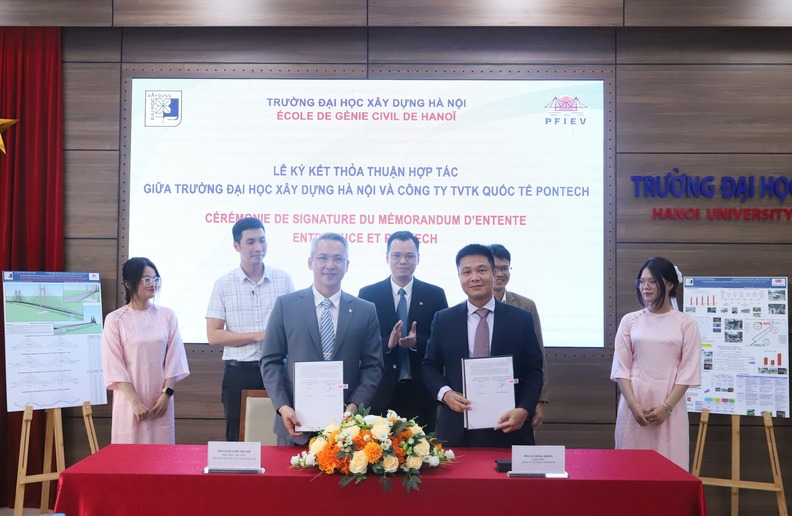
Helping engineers make their own decisions
At Pontech, I have had opportunities to share my experience through mentoring, technical discussions, Design Talks, and day-to-day project collaboration. I believe sharing knowledge is not about simply giving someone the answer. It is about helping engineers understand the fundamentals, question assumptions, and develop the confidence to make their own technical decisions. Seeing engineers become more independent and eventually share their own experience with others is especially rewarding to me.
Q. What do you do when a MIDAS result comes out unexpected?
I do not immediately assume that it is a software issue or simply accept it because the model produces a number. I go back to the structural behavior, assumptions, boundary conditions, load paths, and fundamental engineering principles to understand what is really happening. A good analysis result is not necessarily a good engineering solution.
03
Maciej Rojewski
Technical Director · Pell Frischmann · United Kingdom
"I want the knowledge I share to strengthen their independent judgement, rather than make them reliant on mine."
Building the confidence to challenge results
Mentoring engineers is an important part of my role as Technical Director. I have supported colleagues in their technical development and preparation for ICE professional qualification, helping them explain their contribution and the engineering judgement behind their decisions.
I use bridge design work to share practical lessons: understanding load paths, questioning modelling assumptions and checking whether results make physical sense. My aim is to help engineers build the confidence to take ownership of their work and challenge results, including my own.
Q. What is the most rewarding part of a bridge project for you?
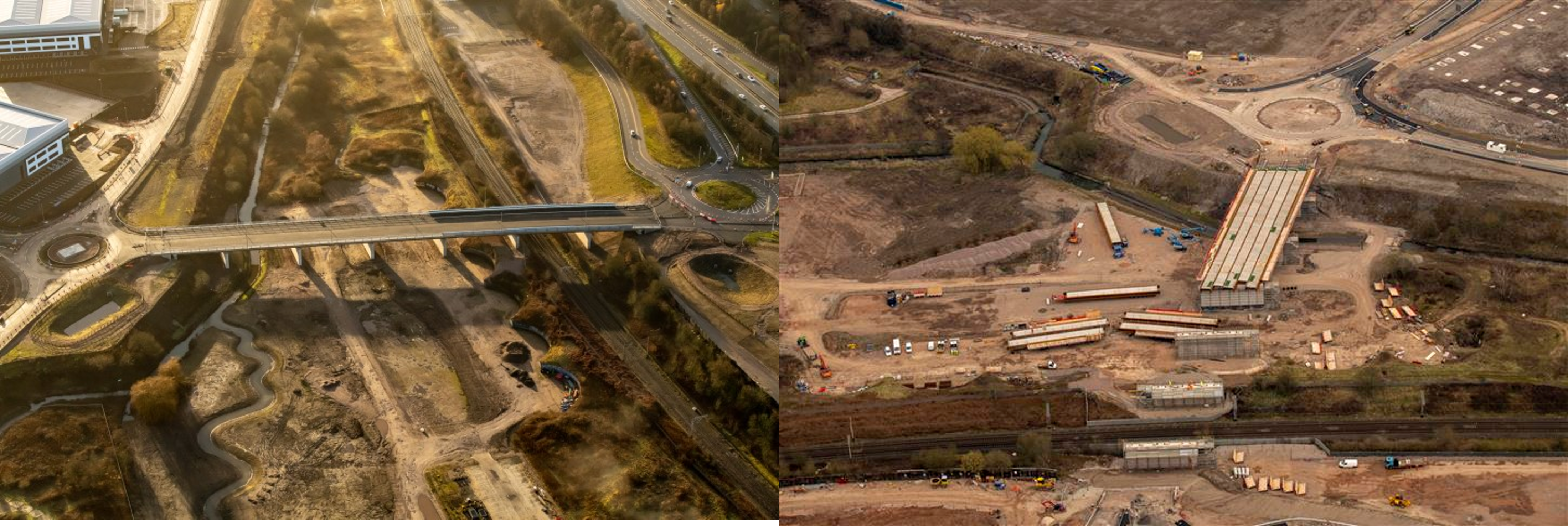
Seeing a bridge take shape on site after working through its behaviour in the software. Having led projects from concept to handover, I value that connection between the analysis and the real structure. It also shapes how I approach modelling. I think about the erection sequence, temporary conditions and how we will achieve the finished geometry from the outset. The real satisfaction comes when the design gives the site team a practical solution they can build with confidence.
04
Sung Yu-Chi
Professor · National Taipei University of Technology · Taiwan
"Civil engineering knowledge shouldn't stay in academic papers."
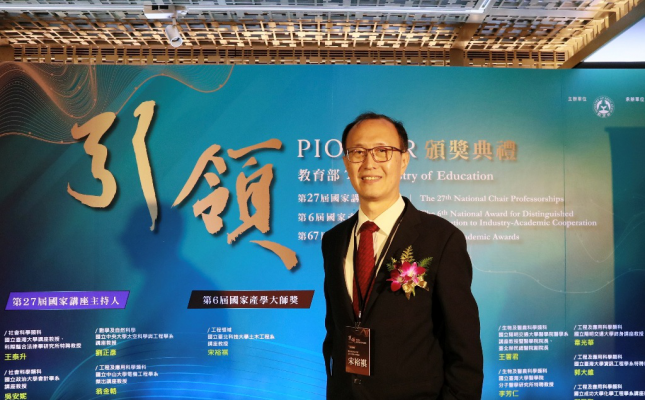
Guiding students into real-world engineering
During a recent industry-academia project on offshore wind substructures, I mentored several graduate students, bridging their theoretical knowledge with real-world engineering challenges. It was incredibly rewarding to see them grow into capable engineers who are now actively leading Taiwan's renewable energy infrastructure design. Knowing that my guidance helped launch their careers in a critical industry is my proudest achievement.
Q. Your work on offshore wind substructures also fed into Taiwan's design guidelines. What drives that work?
My mission is to establish practical seismic standards and ensure the integrity of offshore wind infrastructure, proactively protecting lives from natural disasters like earthquakes. On that project we utilized MIDAS to perform highly complex dynamic and soil-structure interaction analyses, and seeing the data generated directly contribute to establishing and updating Taiwan's structural design guidelines was deeply fulfilling.
Daniel Mariscal passes on the trust people place in engineers. Le Dang Khoa passes on the independence to make one's own technical decisions. Maciej Rojewski passes on the confidence to challenge any result. Sung Yu-Chi passes on knowledge that does not stay in academic papers. Some of the engineers they have taught are already passing the same lessons on.