ABSTRACT
The Verdun Interchange Bridge, located in the Adelaide Hills region of South Australia, presented a unique set of engineering challenges due to its pronounced skew angle, complex geotechnical conditions and seismic design requirements. This paper explores the multidisciplinary approach adopted by the South Australian Mott MacDonald team to deliver a robust and constructible solution for this critical infrastructure asset.
A key focus was placed on managing the implications of the high skew geometry, which influenced not only the superstructure layout but also the substructure alignment. The team also addressed the nuanced soil-structure interaction effects arising from cyclic thermal expansion loading, which required iterative geotechnical modelling and close collaboration with geotechnical designers to model the ratcheting effects that increase lateral earth pressure.
Given the bridge's location within a region of moderate seismicity, a tailored seismic analysis approach was developed.
The Verdun Interchange Bridge is being delivered under a detailed design framework, necessitating a clear understanding of architectural intent, stakeholder priorities, and long-term maintenance considerations. This paper highlights the importance of early engagement with civil, geotechnical and construction teams, reflecting on the lessons learned from navigating complex interface requirements.
1. Introduction
1.1 Background
The Verdun Interchange Upgrade is a South Australian Department of Infrastructure and Transport (DIT) project, situated on the South Eastern Freeway in the Adelaide Hills (DIT, 2026). It is intended to allow access to and from
the Freeway in all directions.
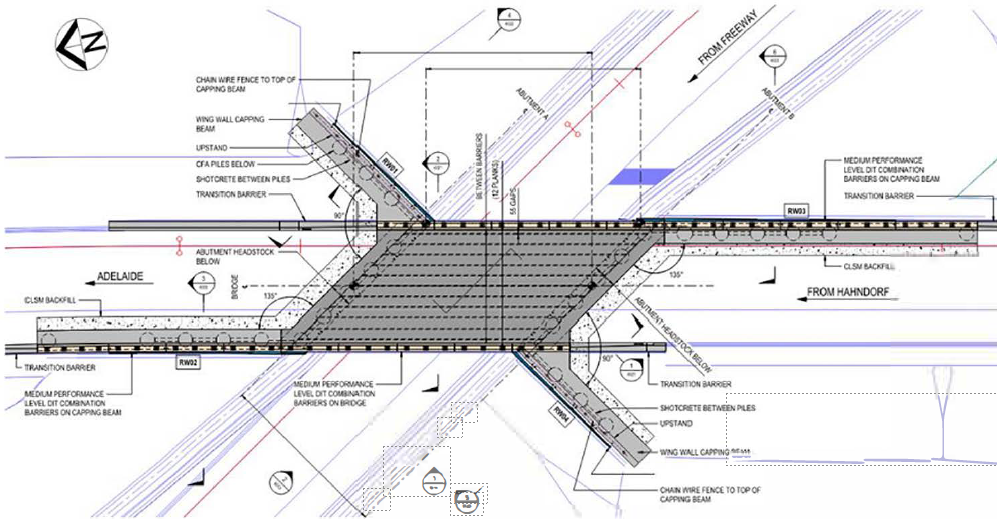
A central component of the project is the design and construction of a new bridge, on the existing exit ramp, from Bridgewater to Adelaide for the new underpass. The new bridge will allow a new underpass for the new South Eastern Freeway westbound exist ramp, however the geometrical constraints of the project were demanding. To meet the road design intent, as well as life cycle sustainability and constructability requirements, the solution resulted in an integral bridge with a skew of 45 degrees.
An integral bridge is one where the superstructure and substructure are monolithically connected. A skew in a bridge is the angle at which the bridge crosses an obstacle, in this case the underpass. In this case the bridge is built at an oblique angle of 45 degrees, as opposed to crossing at a perfect right angle, forcing the abutments to be rotated out of the alignment to the bridge deck.
It is important to note that the proposed bridge geometry falls outside of the scope of Australian Standard 5100 and technical recommendations from road authorities. Documents either limit the skew to 30 degrees, or otherwise do not allow for traditional analysis approaches beyond this angle, as discussed in Section 1.3. As a result, the design of the bridge did not have known similar precedents and specific design guidelines.
However, Mott MacDonald had conducted internal trials several years ago with a computational methodology to efficiently deal with the intricacies of soil structure interaction challenges in integral bridges. The Verdun Interchange project became an opportunity to implement learnings in a real industry project, in addition to adapting and expanding the knowledge to highly skewed integral bridges.
The following sections describe the bridge solution and how Mott MacDonald applied methodologies to overcome the numerous challenges encountered.
1181
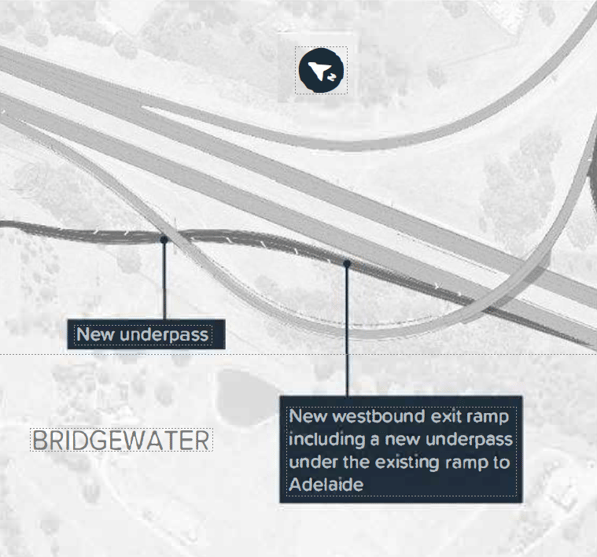
Figure 1. Road layout and new underpass (extract from DIT, 2026).
1.2 Description of the bridge solution
The bridge design consists of a single-span integral plank bridge with a 13.4 m clear span, 7.0m deck width between barriers, and a pronounced 45-degree skew. The bridge is founded on piled abutments, with shotcrete infill between them.
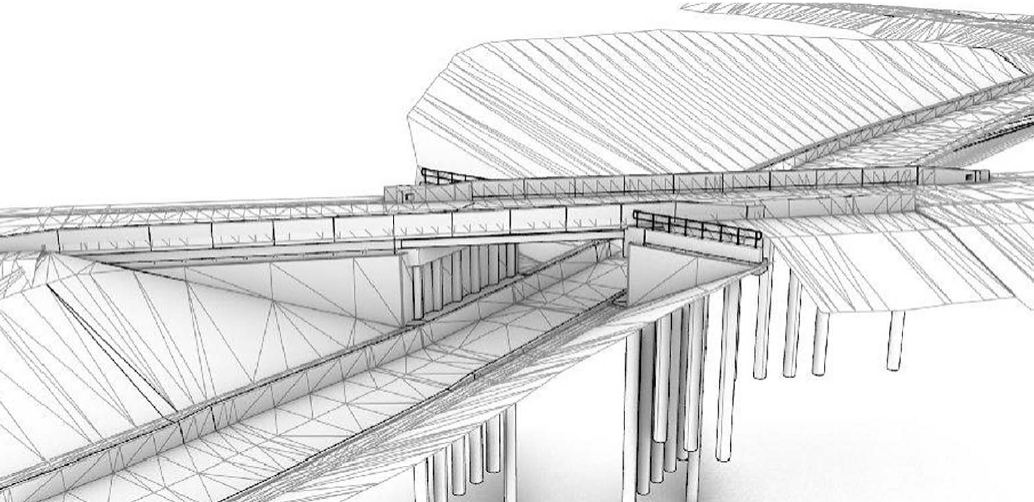
Figure 2. Bridge general arrangement and surroundings
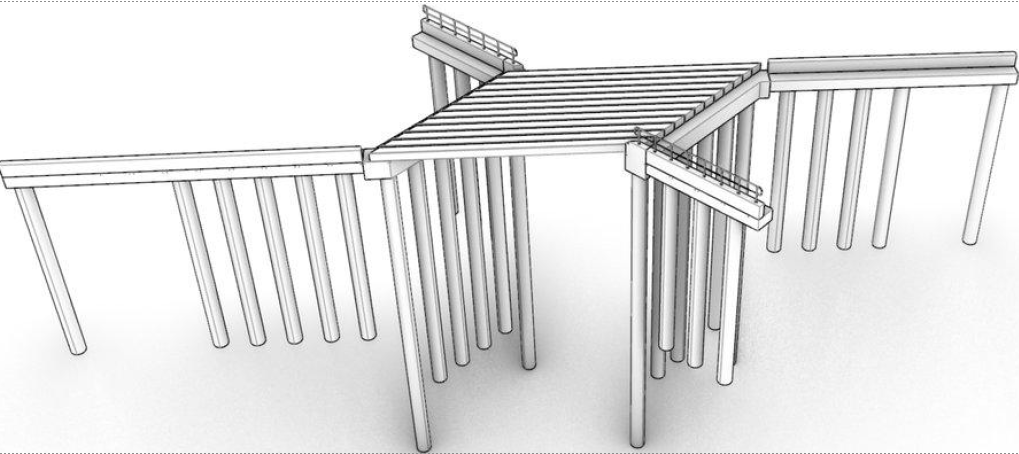
Figure 2. Bridge general arrangement and surroundings