Assessment of PSC Bridges as per CS454
**Please download the Webinar presentation under the Download banner at the end of the article**
This webinar will give a brief introduction to the new Standard of assessment, CS454 and the status of implementation in midas Civil will be discussed. This session will cover the moving load analysis of PSC bridges using ALL Model 1/ ALL Model 2 in combination with special vehicles. Using the analysis results, assessment load effects and assessment resistances will be obtained in an excel report generated by the program and they will be verified using adequacy factor and reserve factor.
Introduction
CS 454 is the newly introduced standard used for the Assessment of highway bridges and structures. Through this session, we would like to shed some light on this new code and how it can be used to assess the structural safety and serviceability of highway bridges.
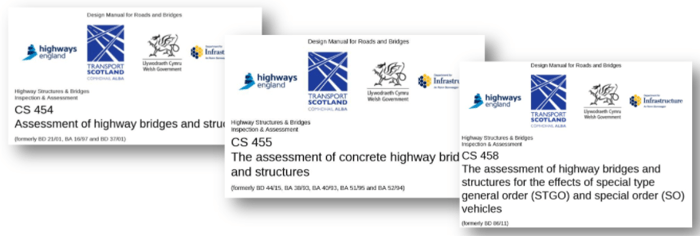 Figure 1. CS454 Assessment of highway bridges and structures
Assessment Procedure
The following chart shows the assessment procedure. In a practical project one will start with the structural review then inspection of assessment and then real assessment and then work on the reporting of assessment. Midas civil assists in performing the assessment and getting the inputs for reporting of assessment.
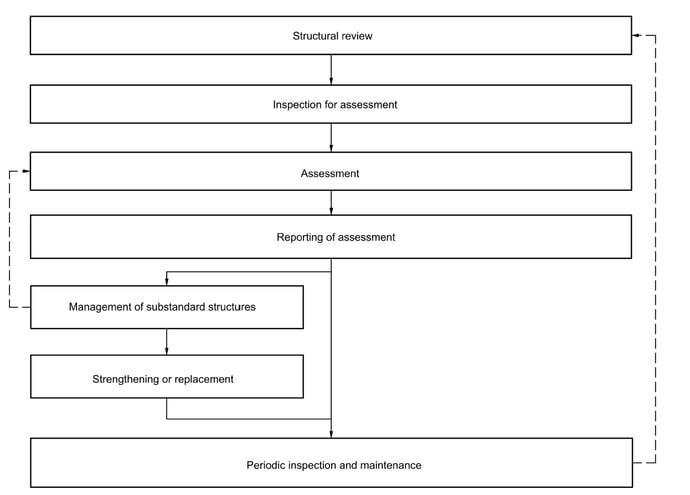 Figure 2. Assessment procedure
Considerations of Live Loads
Assessment live loads are classified into two in CS 454: All Model 1 & All Model 2. Either of these two models can be used. In this session, we will understand the assessment process as well as see where and how ALL Model 1 and ALL Model 2 vehicles to be used to get the most critical effect on the bridge.
-
ALL Model 1
-
Based on real vehicles with an authorized weight
-
Single vehicle or convoy of vehicles
-
Suitable for all structures
-
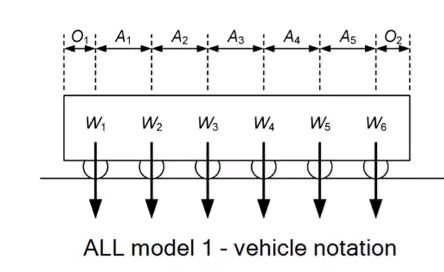 Figure 3. ALL model 1
-
ALL Model 2
-
UDL+KEL, based on Type HA from BD21
-
New loaded length considerations
-
Not suitable for certain situations (see cl. 5.6)
- Structures with transversely spanning through decks.
- Structures with longitudinal members at centers of 2.5m or less with low transverse distribution.
- Structures with loaded lengths of less than 2m.
-
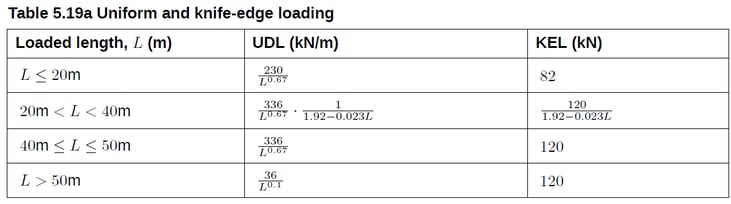 Figure 4. ALL model 2: UDL & KEL
Assessment Verification in midas Civil
The CS 454 specifications for the bridge assessment have been implemented in the current version of midas Civil. In this session, we will see how assessment of PSC/PSC composite bridge can be carried out in midas Civil.
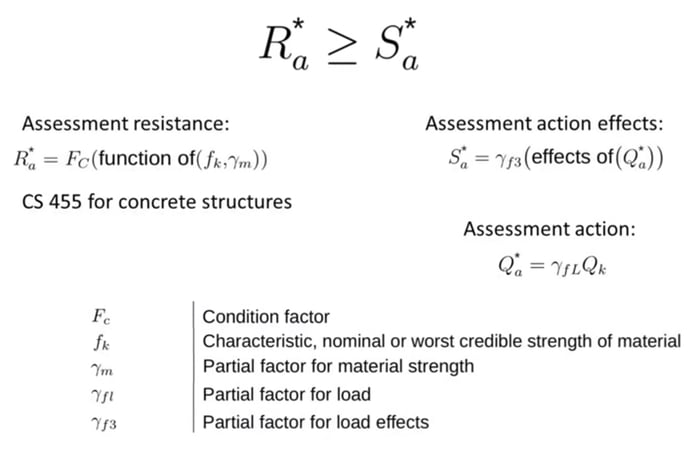
Adequacy Factor & Reserve Factor
Adequacy factor:

Special Vehicle reserve factor with standard vehicles:

Special Vehicle reserve factor without standard vehicles:

Here,
R*a = The assessment resistance
S*D = The assessment load effect due to combined dead and superimposed dead loads
S*ST = The assessment load effect due to the associated Type Standard vehicle loading
S* = The assessment load effect due to Special vehicle load model
S*a = The total assessment combination effect
With the assessment in midas civil the results can be obtained in excel report format as well as viewed in tabular format. The results obtained from the assessment are shown below:
Flexural Reserve Factor
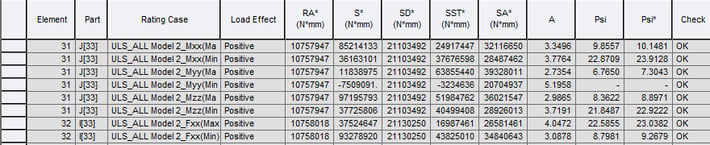
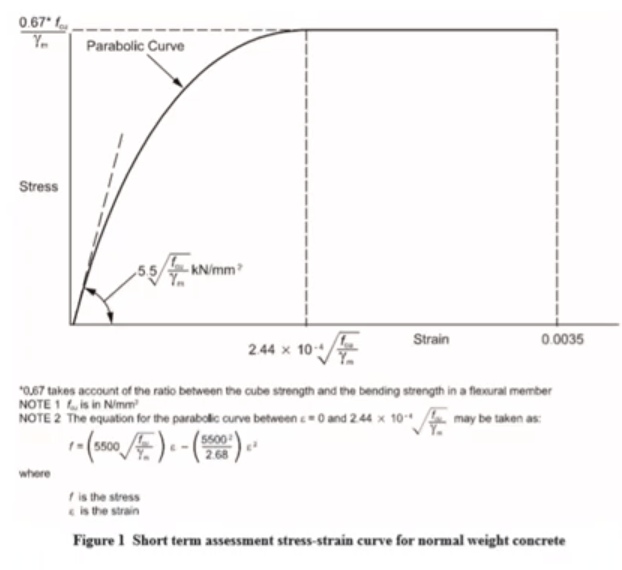 Figure 5. Flexural Reserve Factor results
The moment resistance is calculated based on the parabolic stress-strain curve given in CS454.
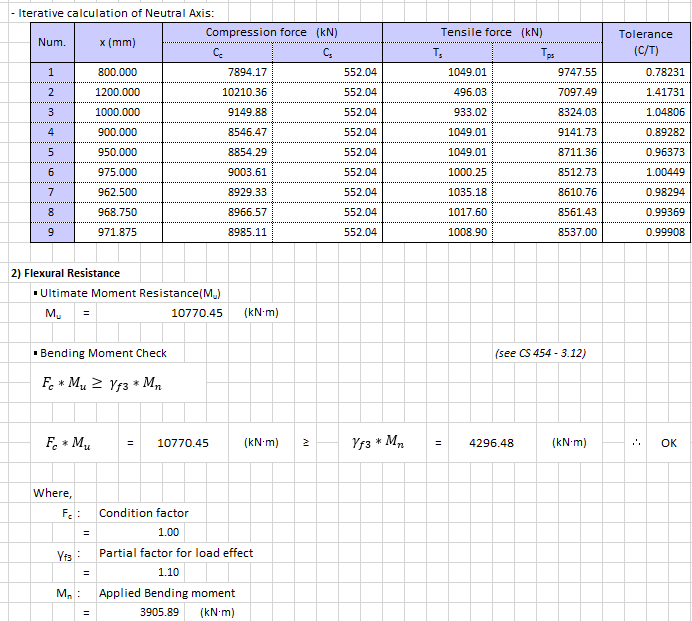 Figure 6. Excel report results for flexural resistance
Shear Reserve Factor
The shear resistance is calculated based on whether the section is cracked or not. Based on this the effectiveness of the shear link is decided and the shear resistance of the section is determined.
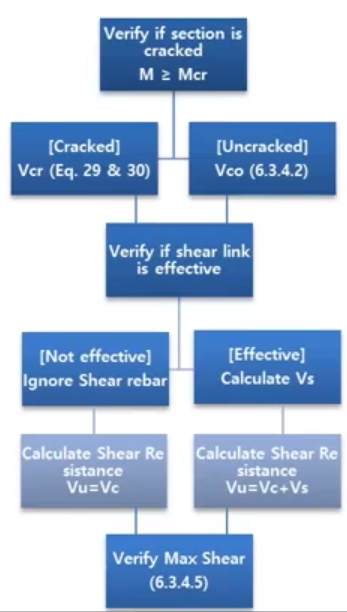 Figure 7. Flowchart for calculation of shear resistance
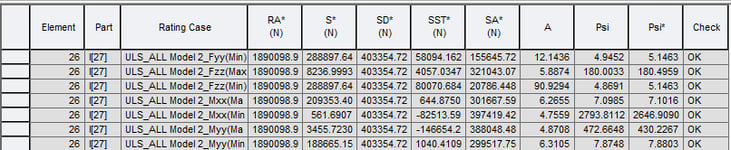 Figure 8. Shear reserve factor output in midas Civil
Shear Reserve Factor
Based on the requirement of torsional reinforcement (v_t > v_tmin) ultimate torsional strength is determined and shear stress due to torsion is found out.
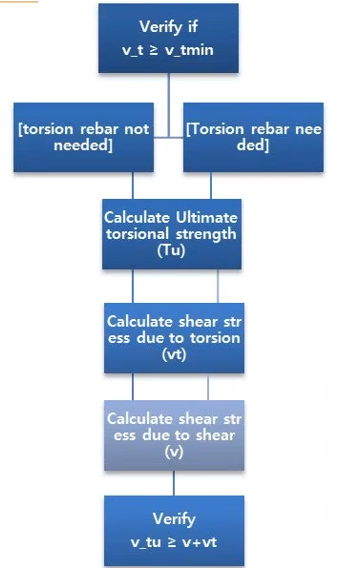 Figure 9. Flowchart for calculation of torsional resistance
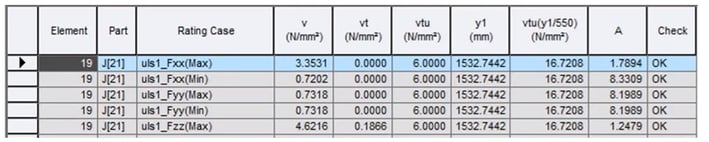 Figure 10. Torsion reserve factor output in midas Civil
Serviceability Limit State Verification
Under the serviceability limit state, a stress check is performed for the section and the stress limit is decided based on the class selected as per BD44/15.
 Figure 11. Stress checks as per BD44/15
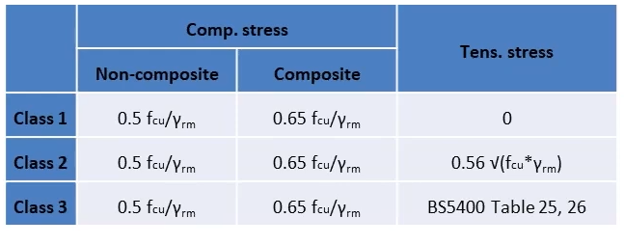 Figure 12. Stress limits as per BD44/15